
April 10, 2026
Preppy Style Unlocked: The Complete Guide to Academy Fashion, Season by Season
Trends come and go, but preppy style endures: crisp lines, youthful energy, and a quiet sense of polish. Rooted in American prep schools and Ivy League campuses, this academy aesthetic blends understated intelligence with sport-inspired ease. Today it is less about uniforms and more about a versatile wardrobe language you can wear on campus, at work, or on weekends.

Harper Lane
Author

Below is a practical map of preppy style—from its origins and defining details to seasonal formulas, modern sub-styles, and the mistakes that quietly cheapen the look.
1. Where Preppy Style Comes From
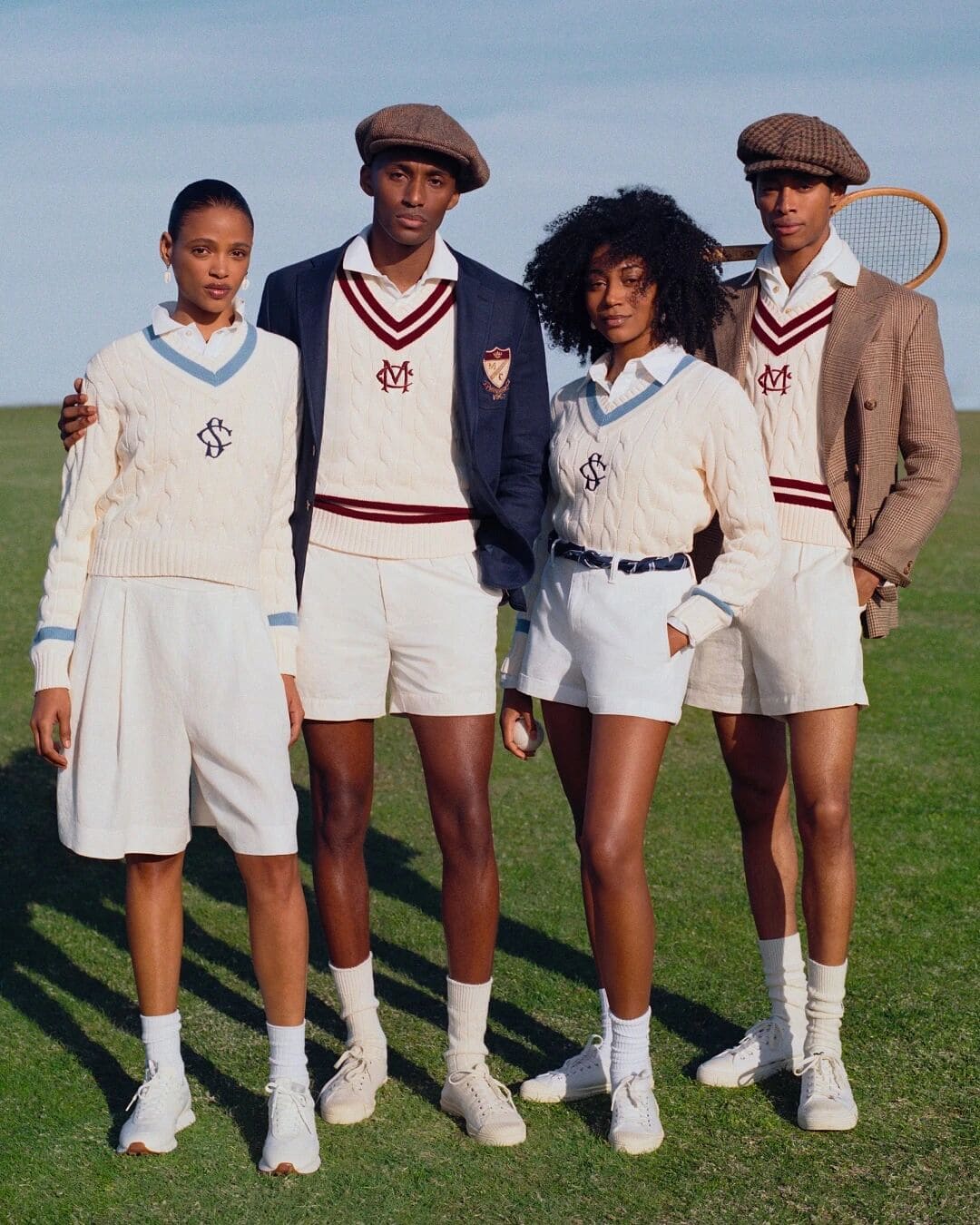
The word "preppy" traces back to "preparatory" schools in the American Northeast and the Ivy League universe (Harvard, Yale, Princeton, and peers). Early campus dress balanced classroom neatness with after-class sports: polo, sailing, golf, and tennis clothes adapted into everyday wear. British country tailoring and upper-class sportswear influenced those first silhouettes—durable, comfortable, and subtly refined.
In 1980, Lisa Birnbach's The Official Preppy Handbook satirized elite campus life—and accidentally helped export the look far beyond the quad. Over decades, preppy dress democratized: the codes stayed (shirts, knits, pleats, loafers), while designers added contemporary cuts and attitude.
2. The Four Pillars of the Look
Preppy style wins because it is repeatable: a small set of motifs, clean proportions, and thoughtful accessories. Think of it as four pillars working together.
Signature motifs. Plaid reads instantly academic—tartan, houndstooth, or softer grid checks on shirts, skirts, and scarves. Knits add softness and structure: a fine knit cardigan, V-neck sweater, or vest is the backbone of layering. Oxford-cloth shirts, polos, chinos, pleated or A-line skirts, loafers, and Mary Janes complete the vocabulary.
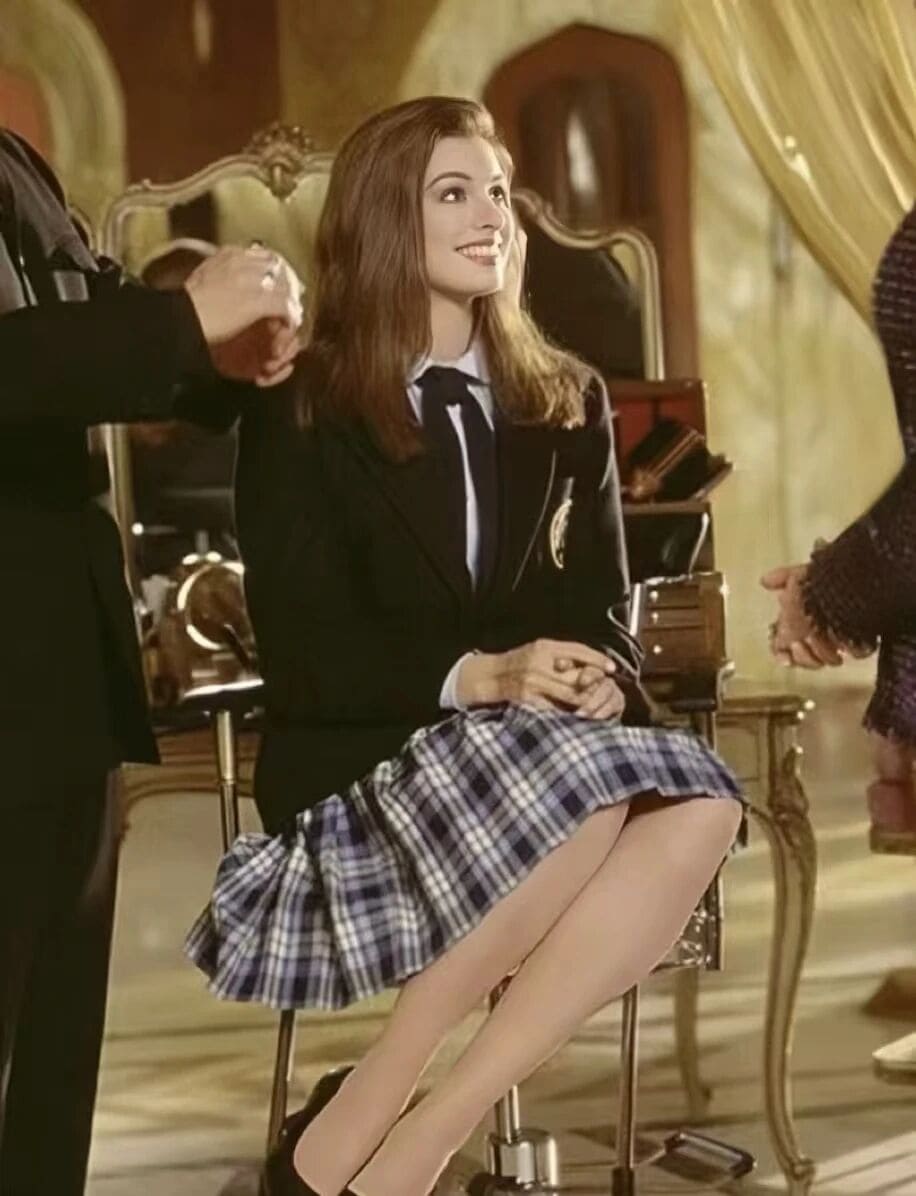
Fit and silhouette. Aim for neat, not sloppy: shirts and sweaters that skim the body, hemlines that feel intentional. Pleated skirts often land near the knee for balance; trousers read best in straight or gently tapered cuts. Outer layers—cropped blazers, cardigans, duffle coats—keep the line upright.
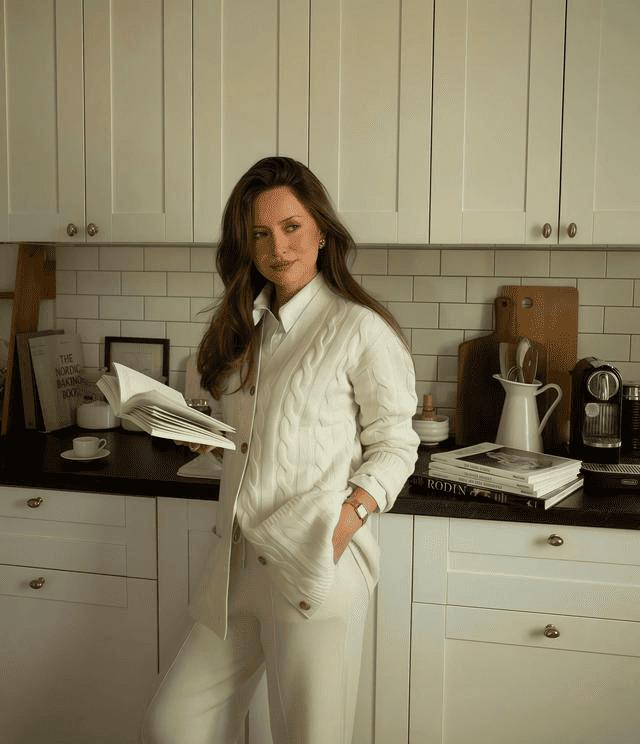
Color discipline. Build on neutral tones—white, cream, gray, khaki, navy—then add small hits of pastel (blush, sky blue, mint). Keep the palette to about three colors for a clean, expensive-looking finish.
Finishing details. Ribbed trims, crest-like badges, metal bit loafers, silk ties, structured totes, and berets signal intent without loud branding.
3. Preppy Outfits by Season
The same aesthetic works year-round when you swap weights and fabrics. Layering is your superpower in spring and fall; summer favors breathability; winter demands lean insulation without bulk.
Spring: Light Layers, Fresh Color
Pair a white oxford shirt with a soft pink knit vest, a navy plaid pleated skirt, and a pale gray knit cardigan. Mary Janes with mid-calf socks and a simple necklace keep the mood youthful. For a relaxed menswear-inspired take, layer a navy cardigan over a polo and khaki trousers with clean sneakers.
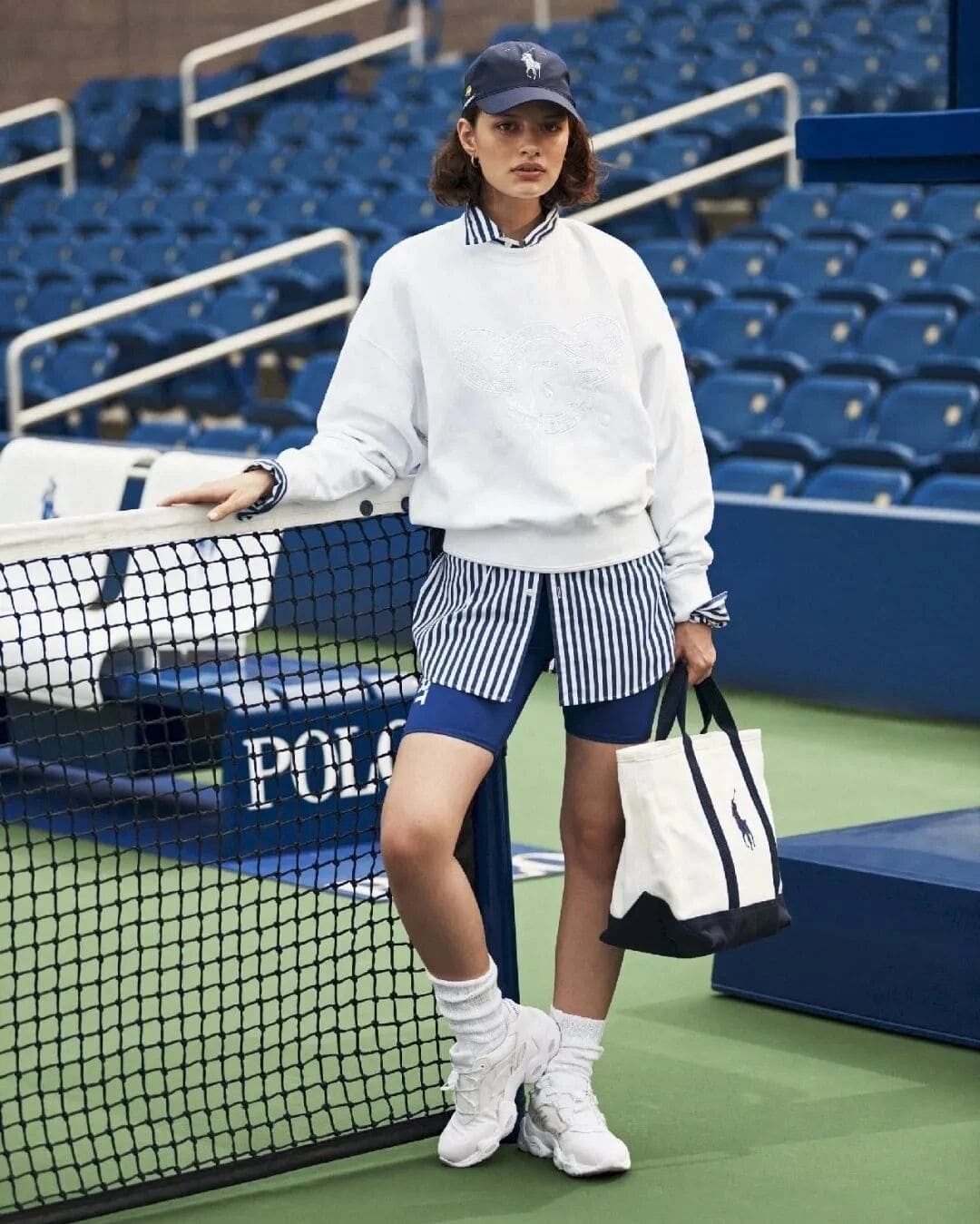
- Favor cotton and fine-gauge knits over heavy wool.
- When the bottom is patterned, keep the top calm (and vice versa).
Summer: Airy and Unfussy
A short-sleeve white shirt with a gray pleated skirt and black loafers is the summer preppy uniform. Striped polos with A-line minis and canvas sneakers travel just as well. Choose linen and open-weave cotton when heat spikes; keep hemlines intentional so the look stays polished, not beach-casual.

Autumn: Texture and Depth
This is the season for shirt + knit + coat stacks. Try a white shirt under a navy turtleneck with khaki trousers and a classic trench coat, or a plaid shirt with a black sweater vest, dark pleated skirt, and ankle boots. Colors lean toward camel, chocolate, charcoal, and ink blue—warm but still disciplined.
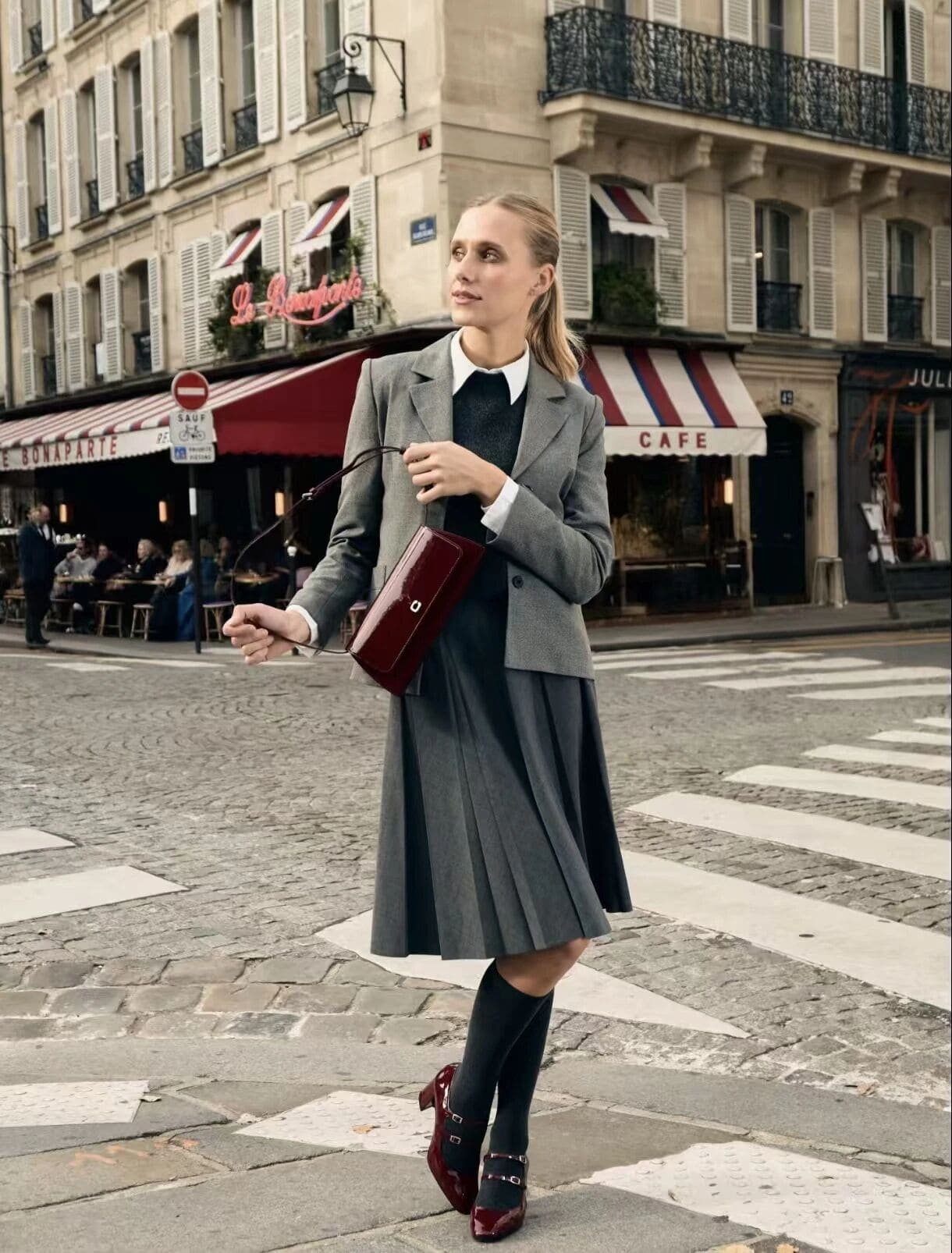
Winter: Warm Without Bulk
Layer a turtleneck under a checked shirt with straight black pants and a navy duffle or pea coat. For extra cold days, a streamlined puffer over a knit dress with thick tights still reads preppy if the proportions stay controlled. Scarves, berets, and leather gloves add function and finish.
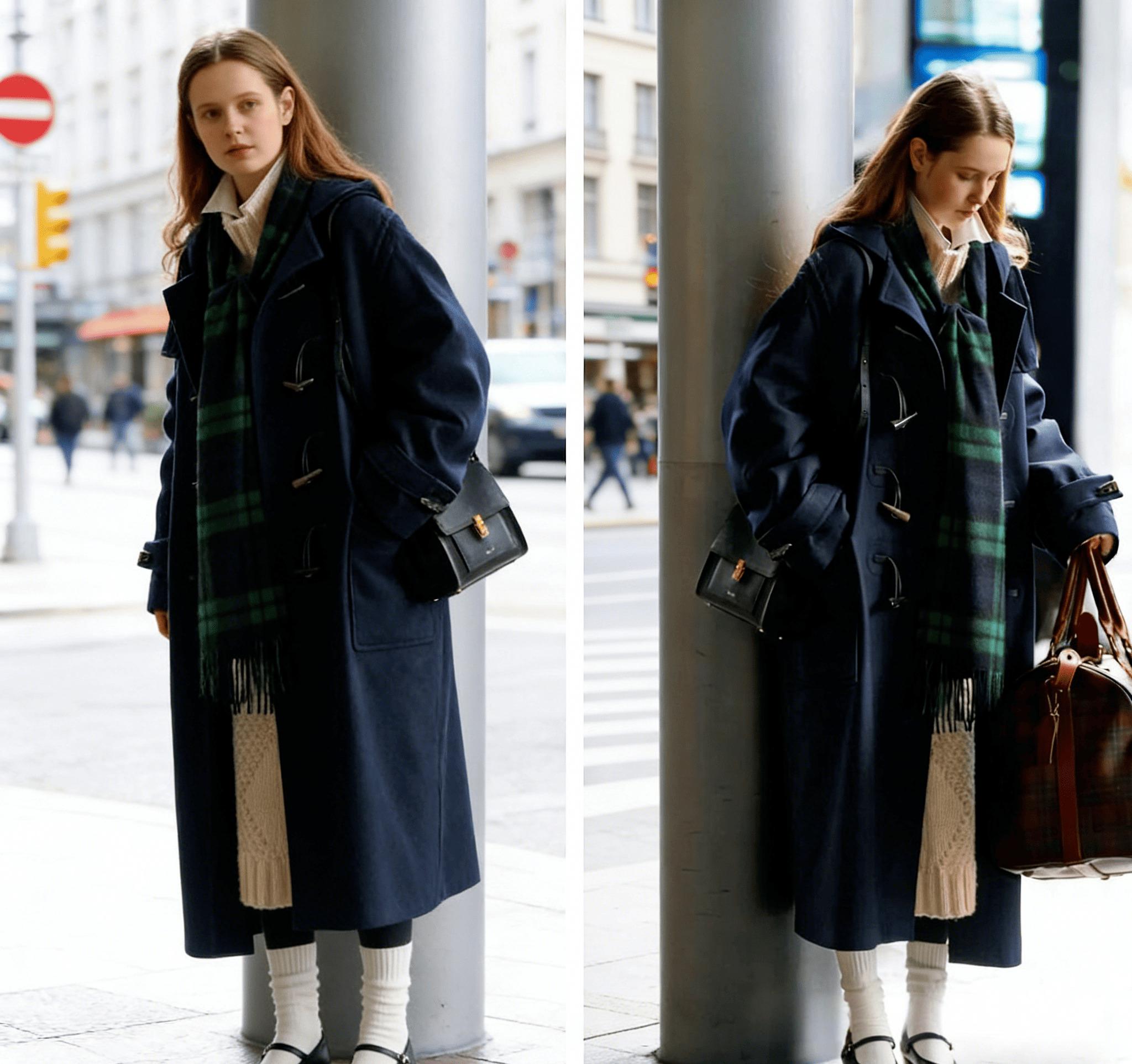
4. Four Modern Preppy Flavors
Classic Ivy
The original formula: neutral bases, oxford shirts, polos, chinos, vests, and loafers. Women might wear a navy sweater vest over a white shirt with khaki trousers; men can reach for a gray cardigan, navy polo, and easy sneakers. Nothing here should feel trendy—just immaculate basics.
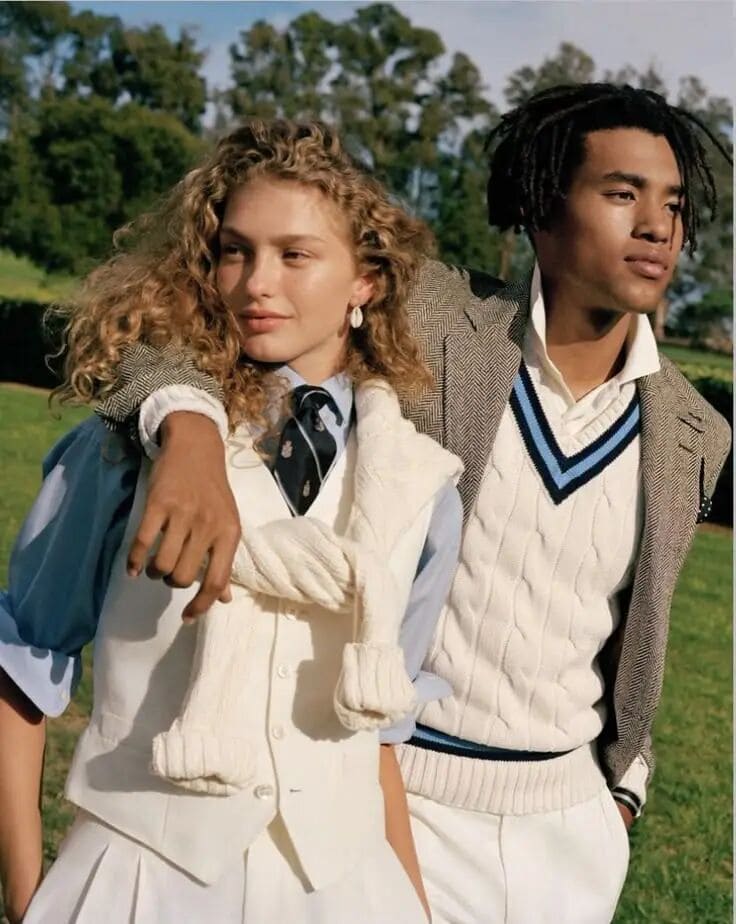
British Academy
Plaid leads: tartan shirts with solid pleated skirts, cropped blazers, berets, and Mary Janes for women; plaid jackets with white shirts and tailored trousers for men. Let one plaid hero piece anchor the outfit and keep everything else quiet.
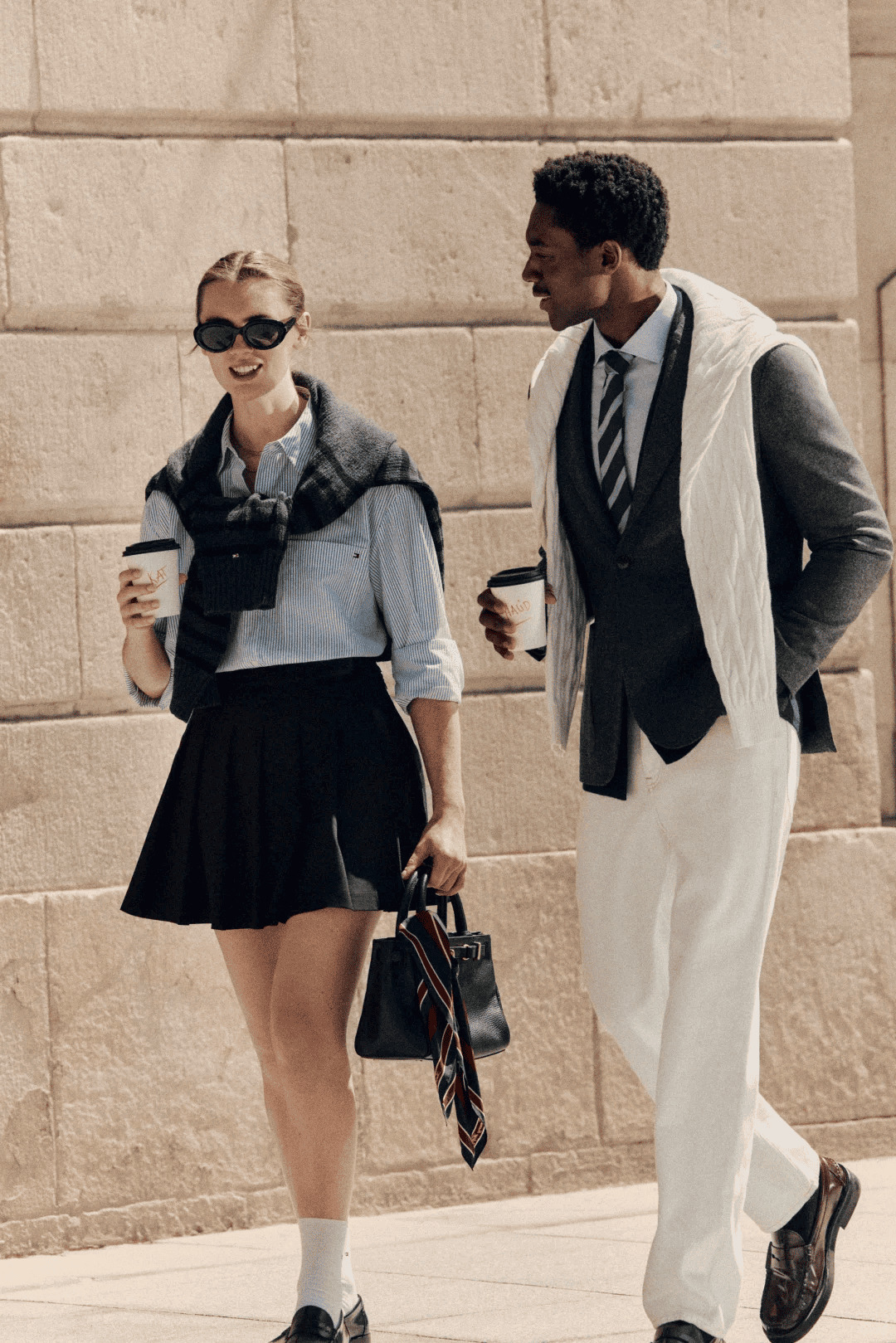
Sweet Preppy
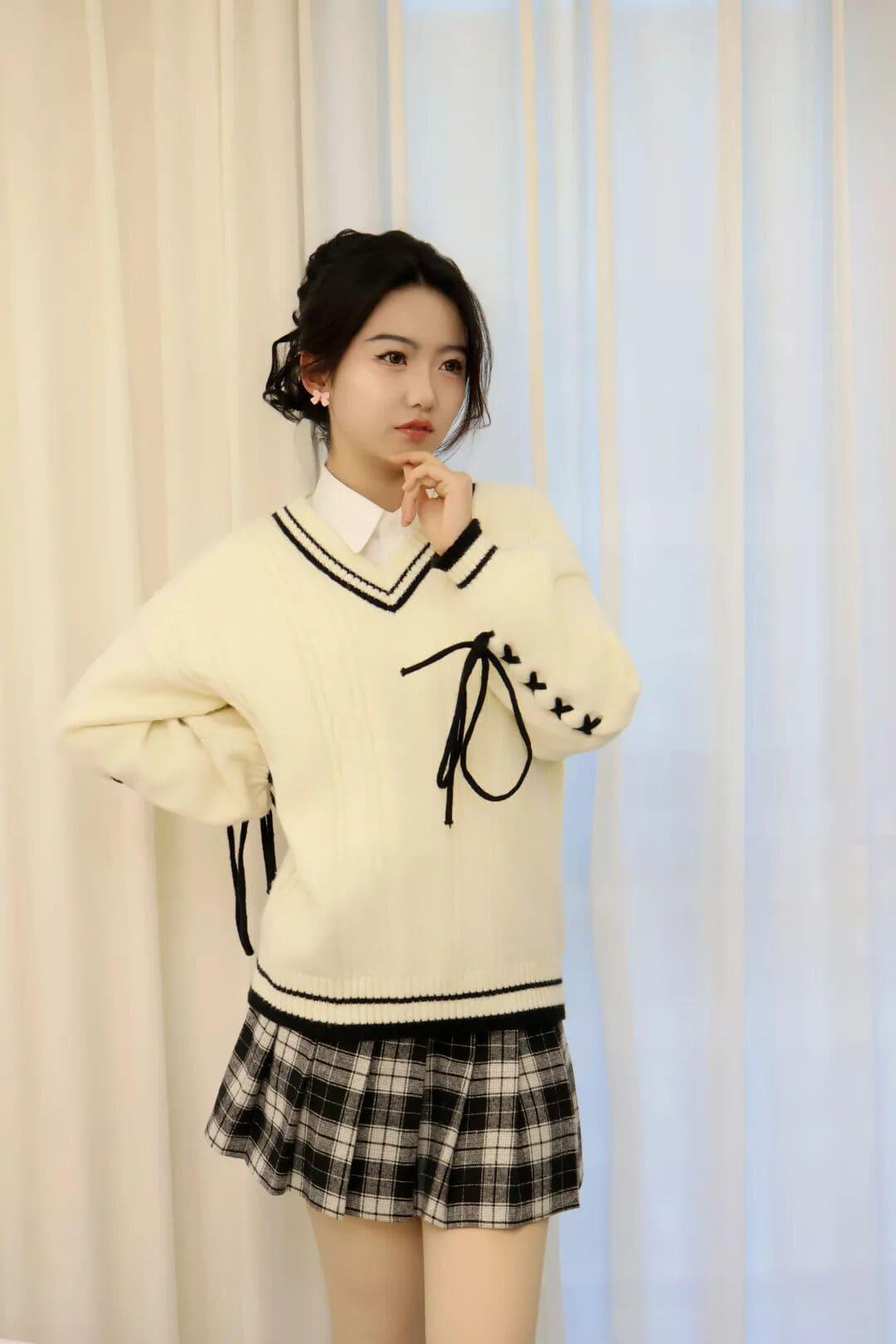
Softer pastels, Peter Pan collars, bows, and ruffles dial up the romantic side. A doll-collar blouse with a blush pleated skirt and a cropped gray cardigan is a textbook formula; striped knits with white minis and canvas shoes feel fresh for daytime.
Rebellious Preppy
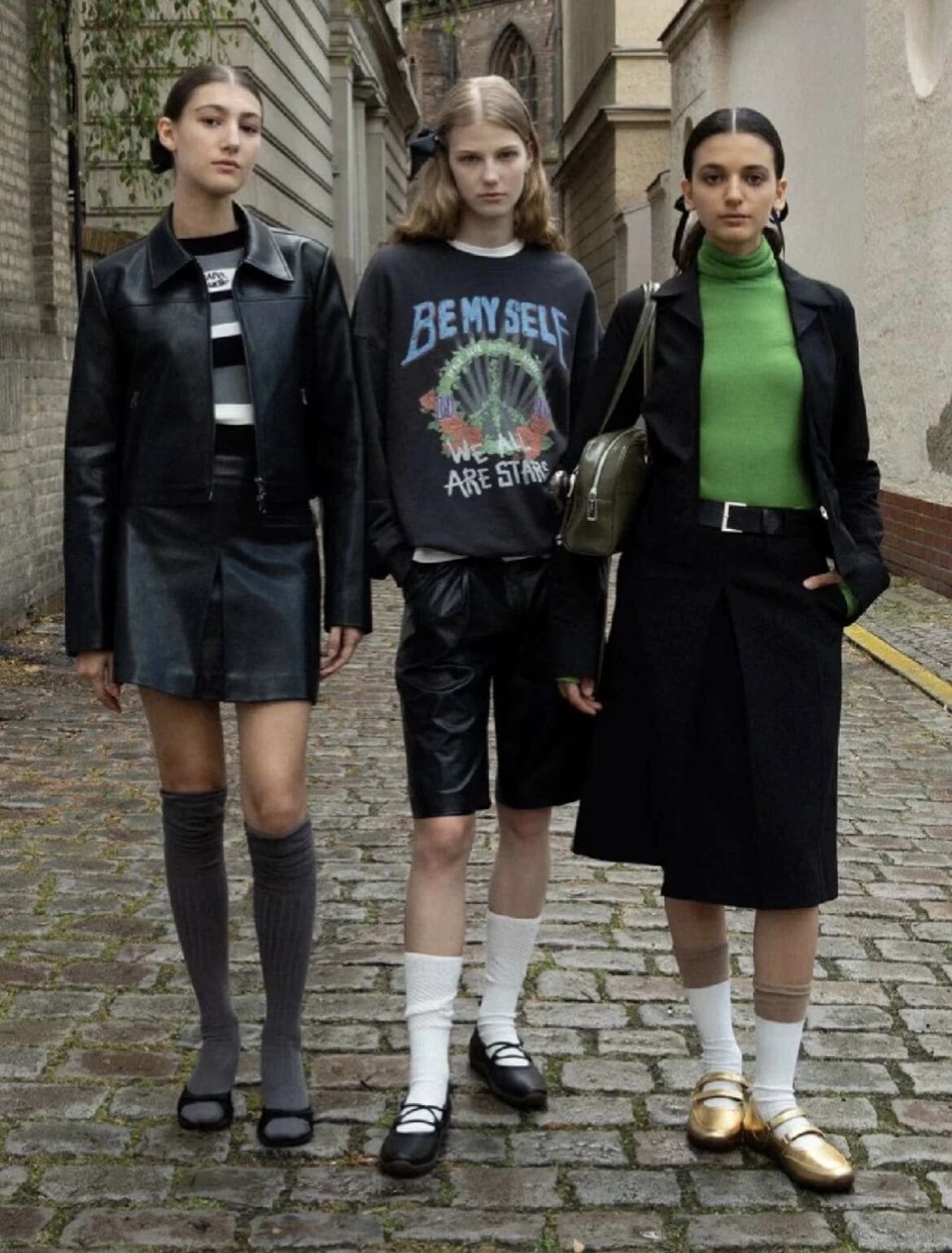
Mix orthodox pieces with attitude: an oversized blazer over a crisp shirt and low-rise pleated skirt, boots instead of loafers, or a slouchy tie. Men might pair a dark polo with relaxed denim and a chunky-soled boot, adding metal jewelry for contrast. The trick is controlled tension—one "rule break" at a time.
5. Three Mistakes That Cheapen the Look
- Too many motifs at once. If plaid, bows, stripes, and logos all compete, the outfit stops reading intentional. Pick one focal pattern or texture.
- Sloppy proportions. Extreme oversize or skin-tight pieces fight the preppy DNA. Aim for balance: relaxed top with a cleaner bottom, or a cropped layer over high-rise trousers.
- Flimsy accessories. Cheap hardware and thin fabrics undermine the "quiet luxury" mood. Invest in a sturdy tote, a real wool scarf, or a simple watch—small upgrades, big payoff.
Preppy style is not a costume—it is a system. Learn the history, respect the proportions, rotate seasonal layers, and borrow from sub-styles when you want a twist. Do that, and the same wardrobe keeps feeling young, sharp, and timelessly put together.
Share this article
Written by
Harper LaneFashion editor who blends runway analysis with real-life styling tips for busy creatives.