
April 21, 2026
The Most Iconic Women’s Tennis Outfits in History: Power, Elegance, and Court-Side Glamour
Tennis tests power and precision—but it is also one of the great runways in sports, where athletes shape identity through cut, color, and silhouette. From rule-breaking silhouettes to all-white elegance, these looks became cultural flashpoints and enduring style references—true street style moments that traveled far beyond the baseline.

Avery Brooks
Author

Below, ten outfits that helped redefine what women could wear on court—each tied to a champion's story, a tournament's mythology, and a broader conversation about femininity, strength, and freedom of movement.
1. Serena Williams: The 2018 French Open "Black Panther" Catsuit
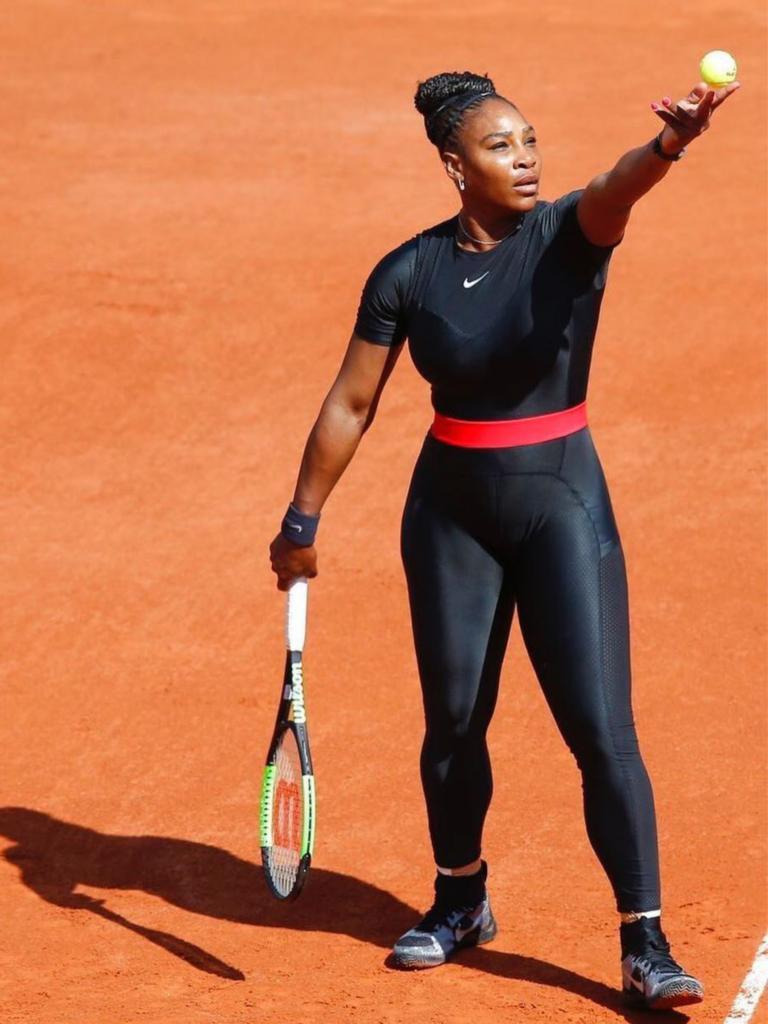
Returning to Roland Garros after motherhood, Serena Williams arrived in a sleek black catsuit that fans quickly nicknamed the "Black Panther" look. The design was unapologetically body-conscious: second-skin tailoring traced one of the most powerful physiques the sport has ever seen, while still reading as high-performance kit. Beyond the headline-making silhouette, Williams framed the outfit around wellness and recovery—highlighting how thoughtful compression can support circulation during the demands of a Grand Slam. The look challenged dated ideas about what women "should" wear in tennis, and reframed muscularity, health, and confidence as part of the same story.
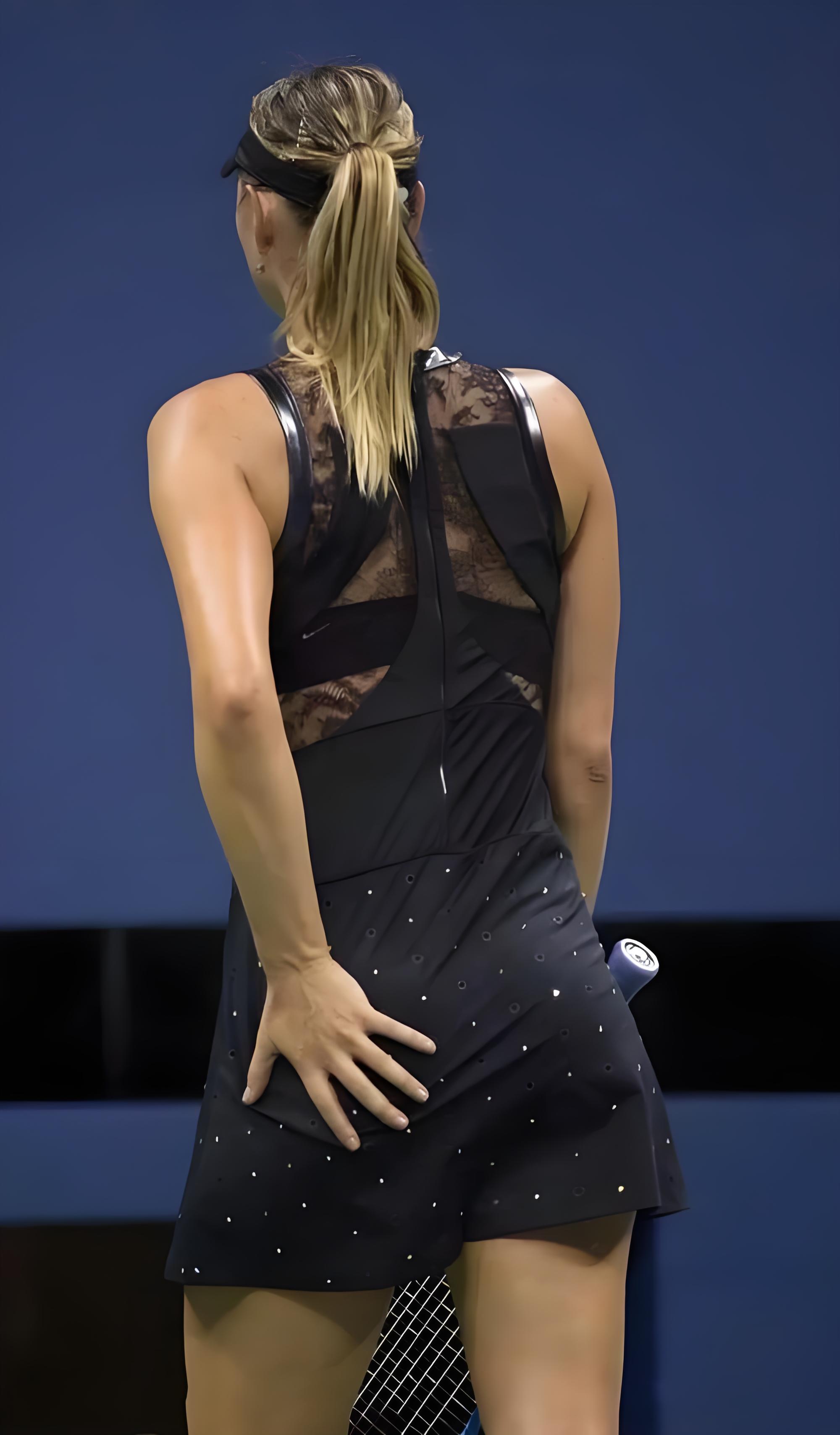
2. Maria Sharapova: The 2006 US Open Crystal-Embellished Black Dress
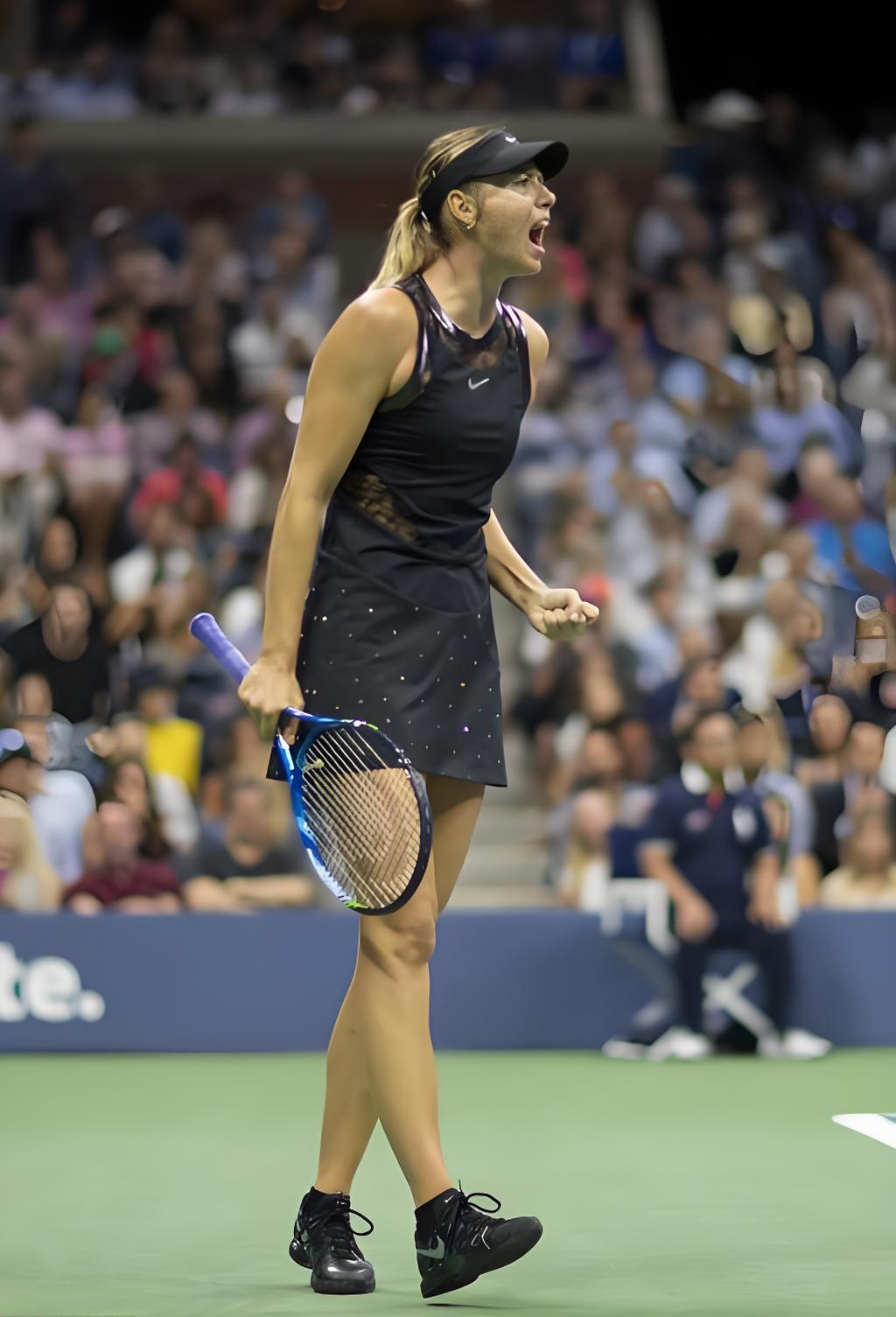
Sharapova's Nike look for Flushing Meadows was couture energy on a tennis timetable: a short black dress scattered with crystals that caught stadium lights like a deliberate spotlight. The reference was unmistakably Audrey Hepburn's little black dress—proof that evening glamour could be translated into something that still had to sprint, slide, and serve. The skirt's engineering mattered as much as the sparkle: it moved without fighting the stroke production that made Sharapova's game so explosive. Night-session tennis has never felt more like a fashion finale.
3. Venus Williams: Black Lace Slip Dress at the 2010 French Open
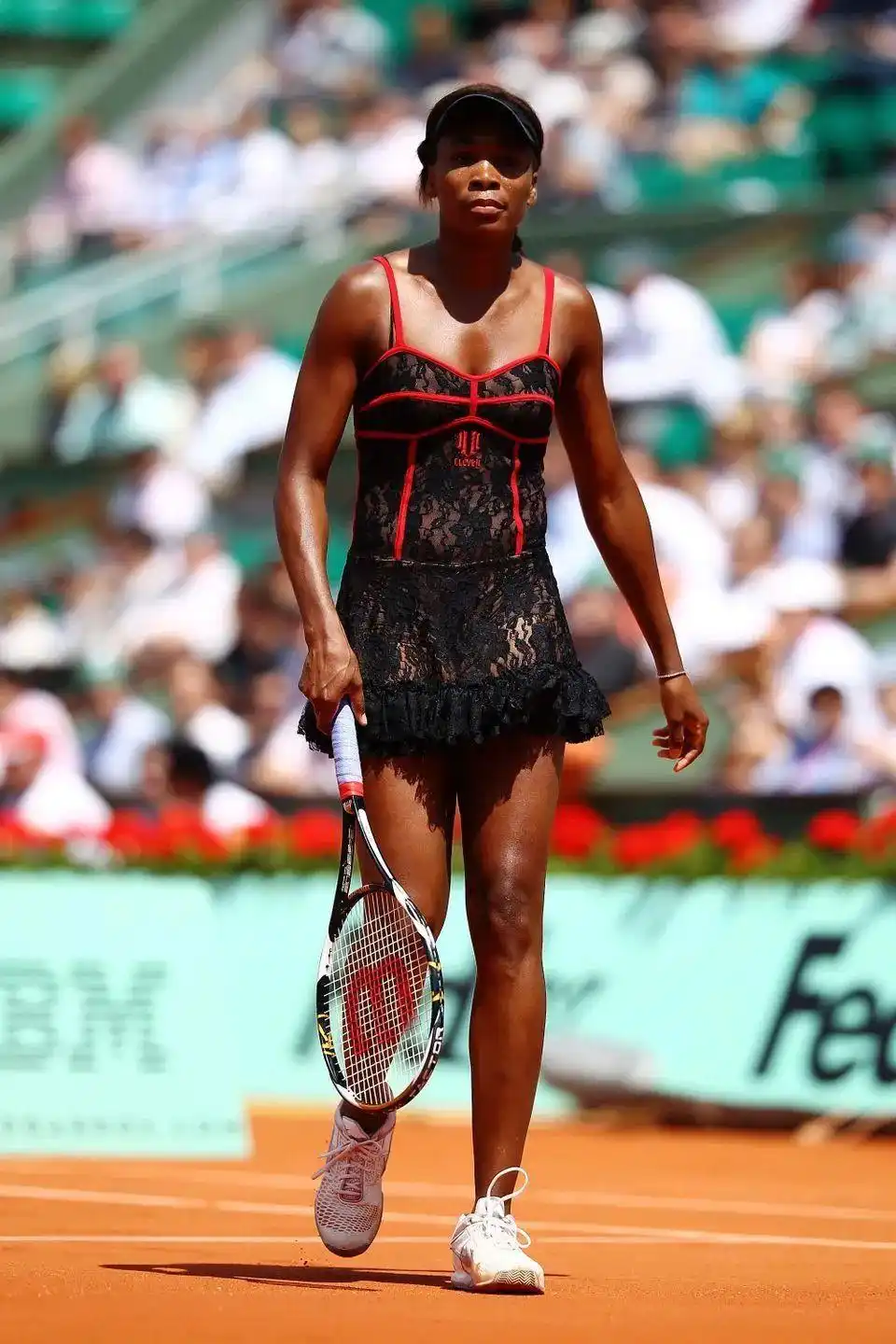
Venus Williams has long treated the court as a design lab. For Paris 2010, her EleVen line delivered a black lace look with a lingerie-inspired line that felt daringly transparent about intent: thin straps framed the shoulders, lace panels added depth, and the overall silhouette read like a slip dress engineered for elite movement. The outfit pushed back on the idea that tennis clothes must be purely utilitarian, and argued— loudly—that sensuality and athletic seriousness are not opposites.
4. Anna Kournikova: Midriff-Baring Look at Wimbledon 2002

Adidas dressed Kournikova in crisp white with a cropped top and a high-cut pleated skirt—a silhouette that felt youthful, kinetic, and unafraid of attention. Pleats caught the London breeze; the narrow band of skin at the midriff broke with Wimbledon's whisper-quiet tradition without abandoning the all-white rule. In hindsight, it helped usher in an era where tennis fashion could flirt with pop culture—still sporty, still white, but unafraid of the mini skirt energy that defined Y2K court style.
5. Maria Sharapova: Pure White Spaghetti-Strap Dress at Wimbledon 2004
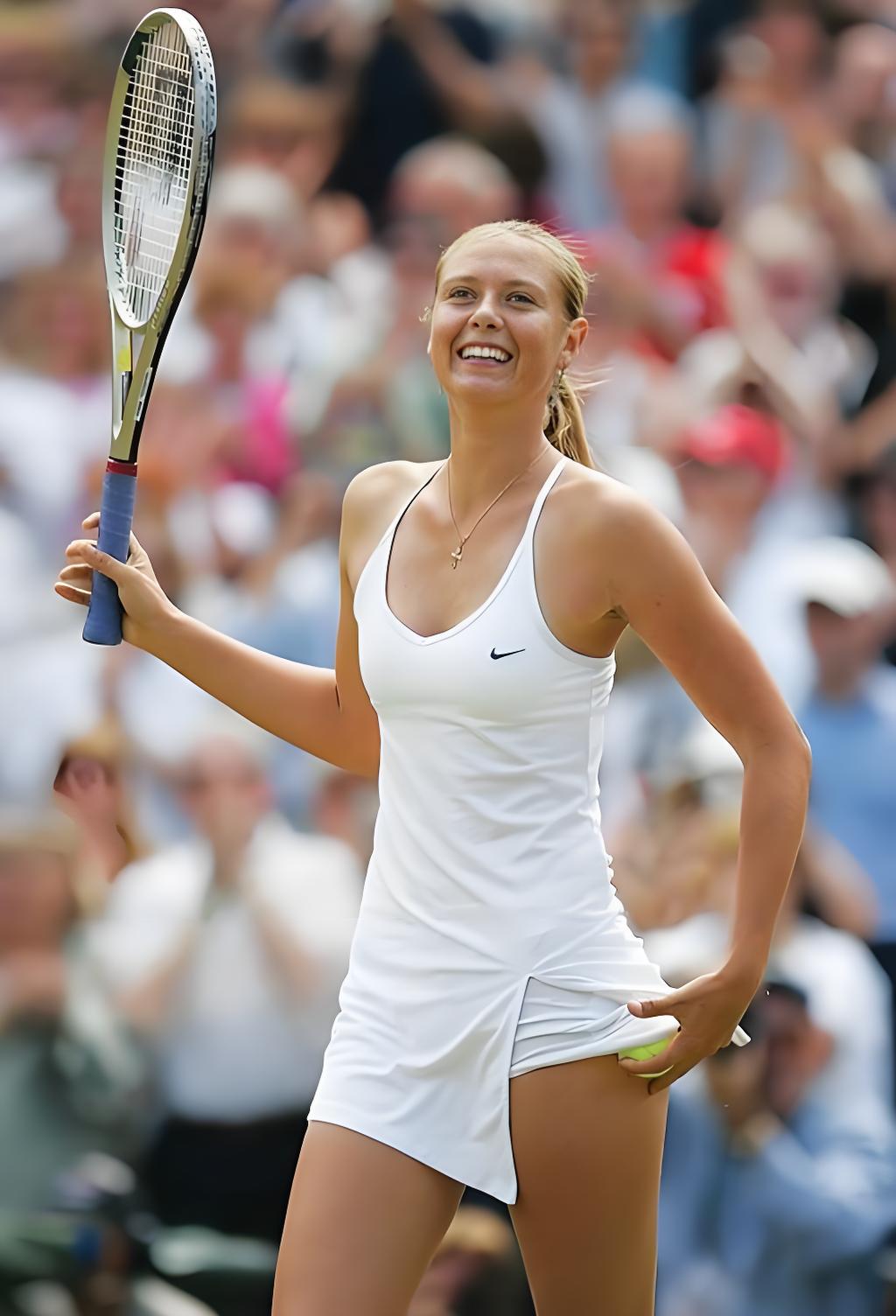
At seventeen, Sharapova won her first major in a minimalist white dress with spaghetti straps and a side slit—details that sound simple until you watch them in motion. The slit bought range for big steps and defensive slides; the fitted bodice kept the look sharp under Centre Court's relentless glare. It was innocence and nerve in one silhouette: a blueprint for how a junior champion could arrive as a fully formed fashion protagonist.
6. Suzanne Lenglen: 1920s Sleeveless Knit Dressing
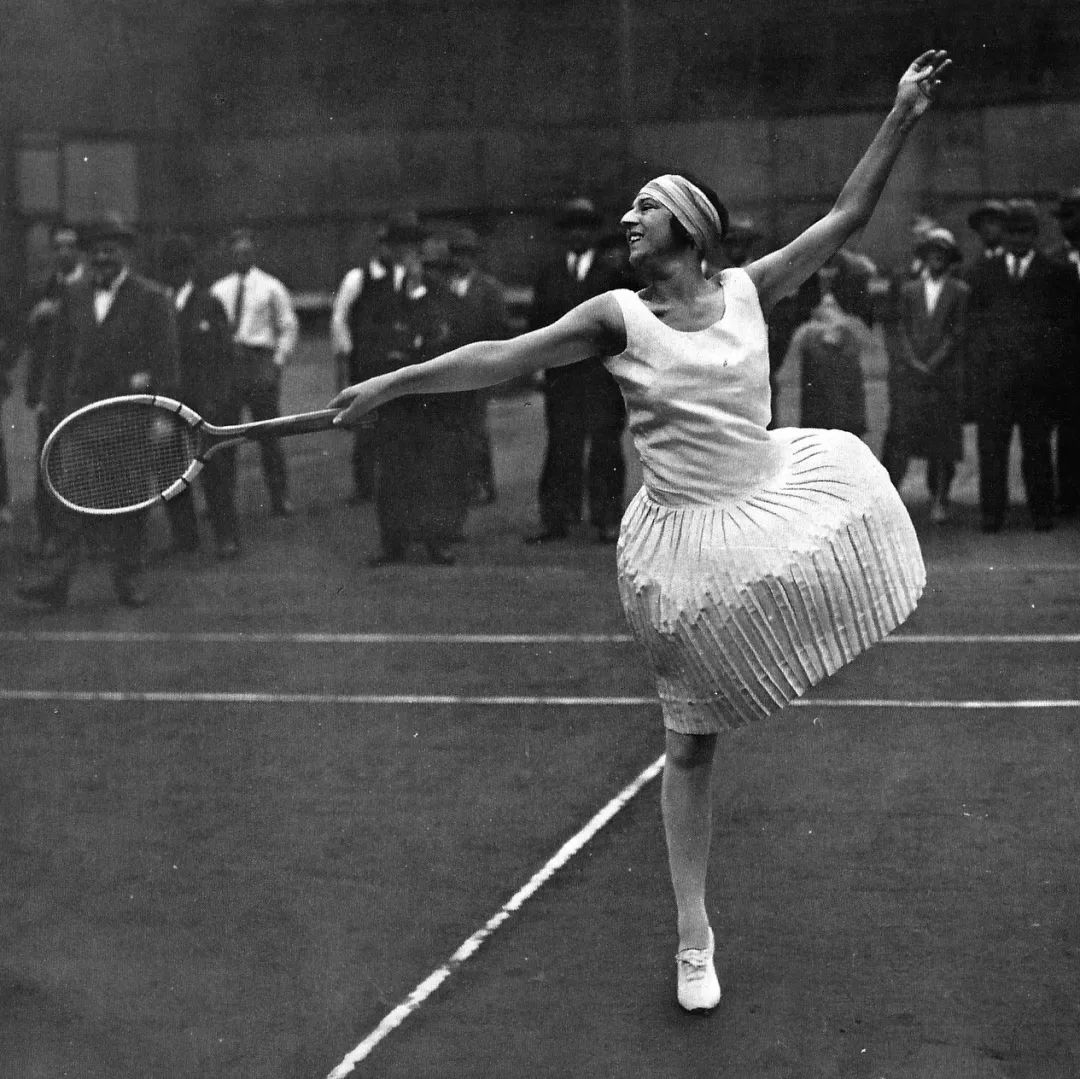
Long before performance fabrics, Lenglen rewrote the dress code. While many women were still expected to compete in heavy long sleeves and skirts, she opted for a sleeveless knit top and knee-length knit skirt— freeing the arms and shortening the hem in one radical gesture. The outfit reads today like an early knit dress vocabulary split into separates: modern, mobile, and quietly political. It is difficult to imagine the evolution of women's tennis wear without this precedent.
7. Chris Evert: 1970s White Polo Dress
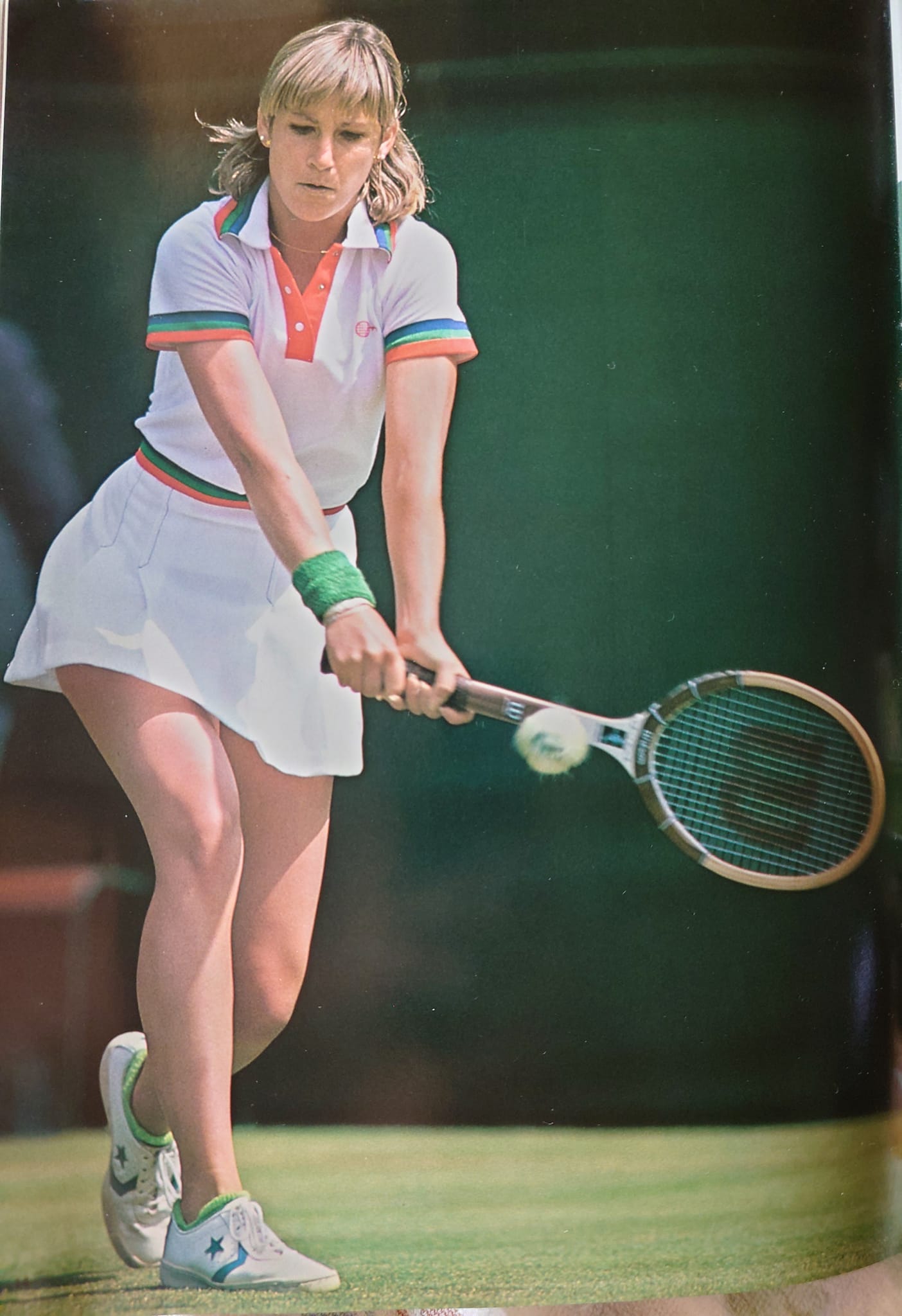
The "Ice Princess" made cool discipline look effortless in a white polo dress that became a shorthand for seventies and eighties tennis elegance. The collar added structure; the streamlined skirt followed her lines without excess drama. There were no gimmicks—only fit, proportion, and an almost architectural sense of calm. If you want a masterclass in how restraint can be unforgettable, start here.
8. Ana Ivanović: Pink Off-the-Shoulder Dress at the 2008 French Open
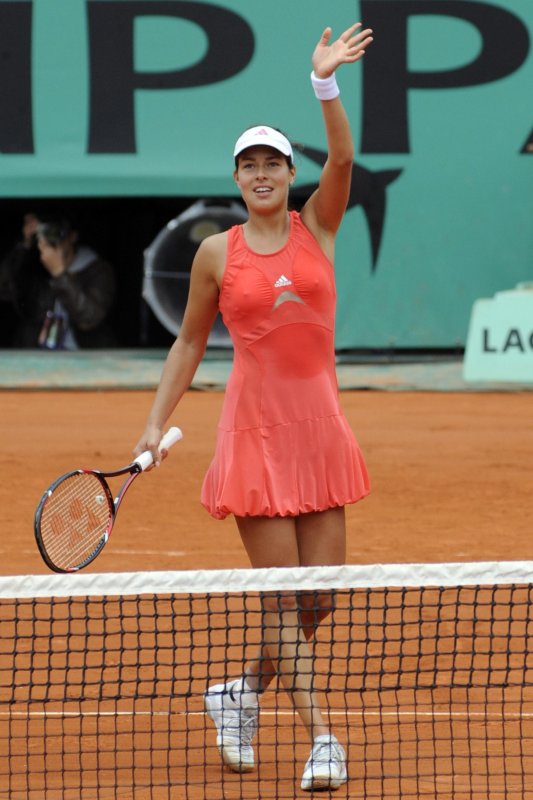
Adidas framed Ivanović in soft pink with an off-the-shoulder neckline—romantic without feeling fragile. The hue read gentle on clay; the exposed shoulders drew a clean line that photographs still love. An asymmetric hem gave the dress a contemporary edge while preserving the mobility a deep run in Paris requires. For fans of feminine color on court, this remains a reference point.
9. Simona Halep: White Lace-Detail Dress at Wimbledon 2021
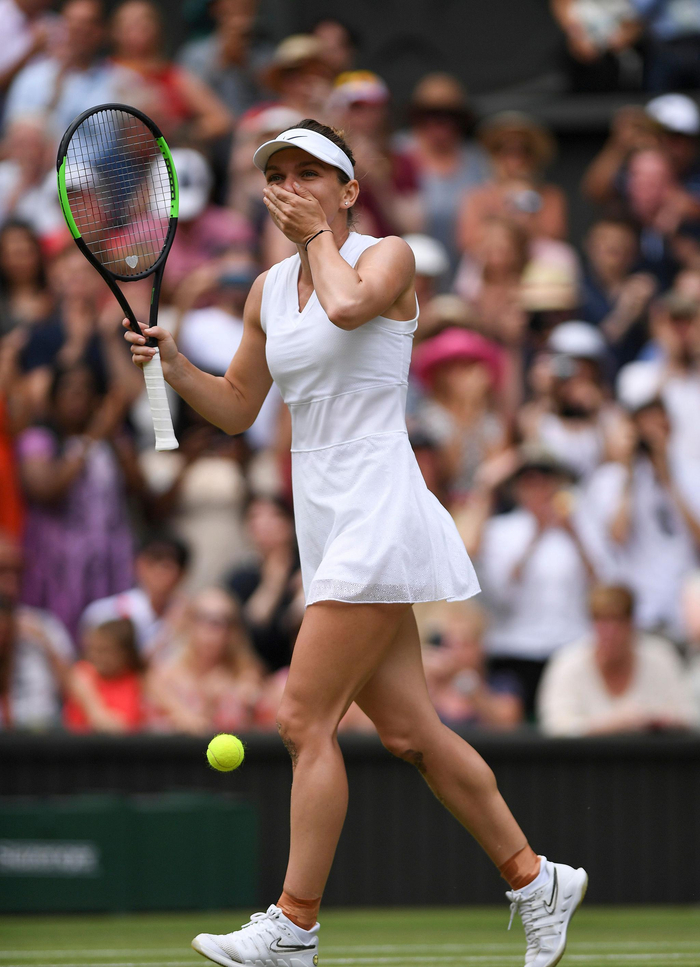
Nike kept Halep in pristine white for the All England Club, then let texture do the talking: subtle lace patterning around the skirt created depth without breaking Wimbledon's visual discipline. The fit was streamlined and athletic—built for acceleration—while the lace nod added a sensual undertone that stayed within the tournament's guardrails. On grass, it felt both classic and quietly provocative: proof that all-white does not have to mean plain.
10. Coco Gauff: New Balance All-White Embroidered Kit at Wimbledon 2025
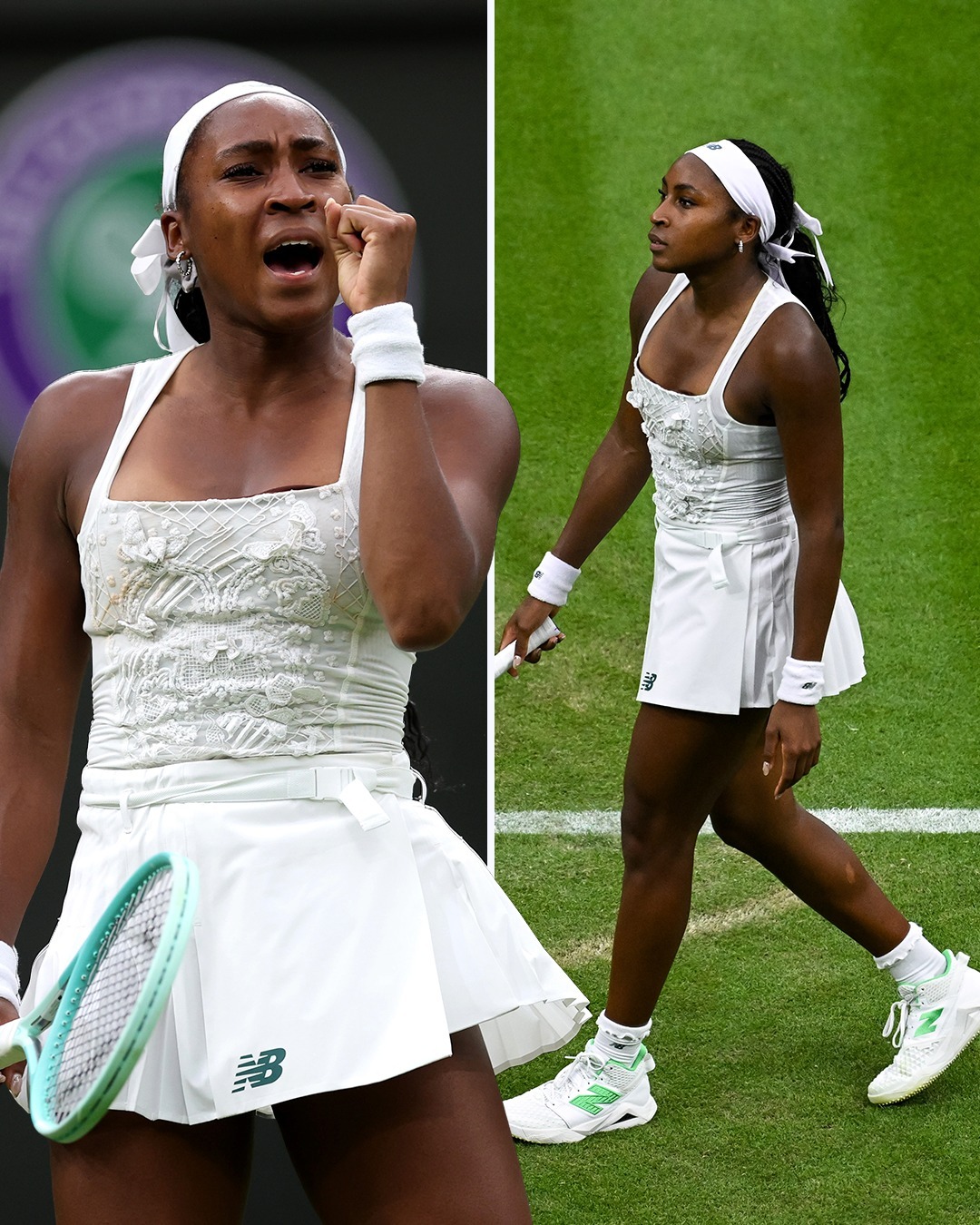
Gen Z's tennis style ambassador arrived at Wimbledon 2025 in a New Balance kit she helped shape: head-to-toe white that respected tradition, elevated by embroidery inspired by a tension between British tailoring and punk attitude. The embellishment broke up monochrome flatness; the cut stayed fierce and forward—youthful energy with tour-level function. Even a short run at the event could not dull the impression: this was a statement about ownership, identity, and how the next generation wants to look while chasing majors.
Why These Looks Still Matter
These pieces are more than uniforms. They are intersections where sport meets self-expression—where fabric carries history, and a hemline can signal rebellion or reverence. They remind us that tennis is not only collisions and statistics, but also image-making: moments when athletes define beauty on their own terms, and the crowd remembers what they wore as vividly as how they played.
Share this article
Written by
Avery BrooksSustainable fashion writer spotlighting mindful shopping, fabrics, and wardrobe longevity.