
January 23, 2026
Stitches in the Spotlight: Fashion Moments Frozen by Cinema
A cinematic diary on how clothing speaks when the screen falls silent.

Jenny Leung
Author

To me, film is never just a 24-frames-per-second dream. It is a moving banquet of art. When the lights dim and the screen begins to glow, I find myself listening less to the rise and fall of dialogue, and more to the quiet language of lines and colors drifting through the frame, the sway of a cheongsam, the sharp authority of a perfectly cut suit.
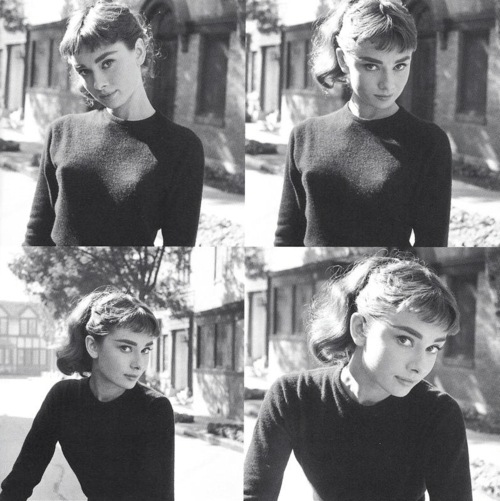
A classic Audrey Hepburn moment, timeless and quietly luminous.
Clothing is a character's unspoken monologue. In Wong Kar-wai's lens, it becomes the restrained melancholy woven into Su Li-zhen's In the Mood for Love. In the silhouette of Audrey Hepburn, it is Givenchy's gift of clarity and independence to modern womanhood. As someone long obsessed with cinematic aesthetics and costume studies, I'm forever trying to unravel the logic behind this beauty: Why can a certain fabric awaken the collective nostalgia of an era? How can a simple bow-tie collar hold such quiet power, soft, yet unmistakably resolute?
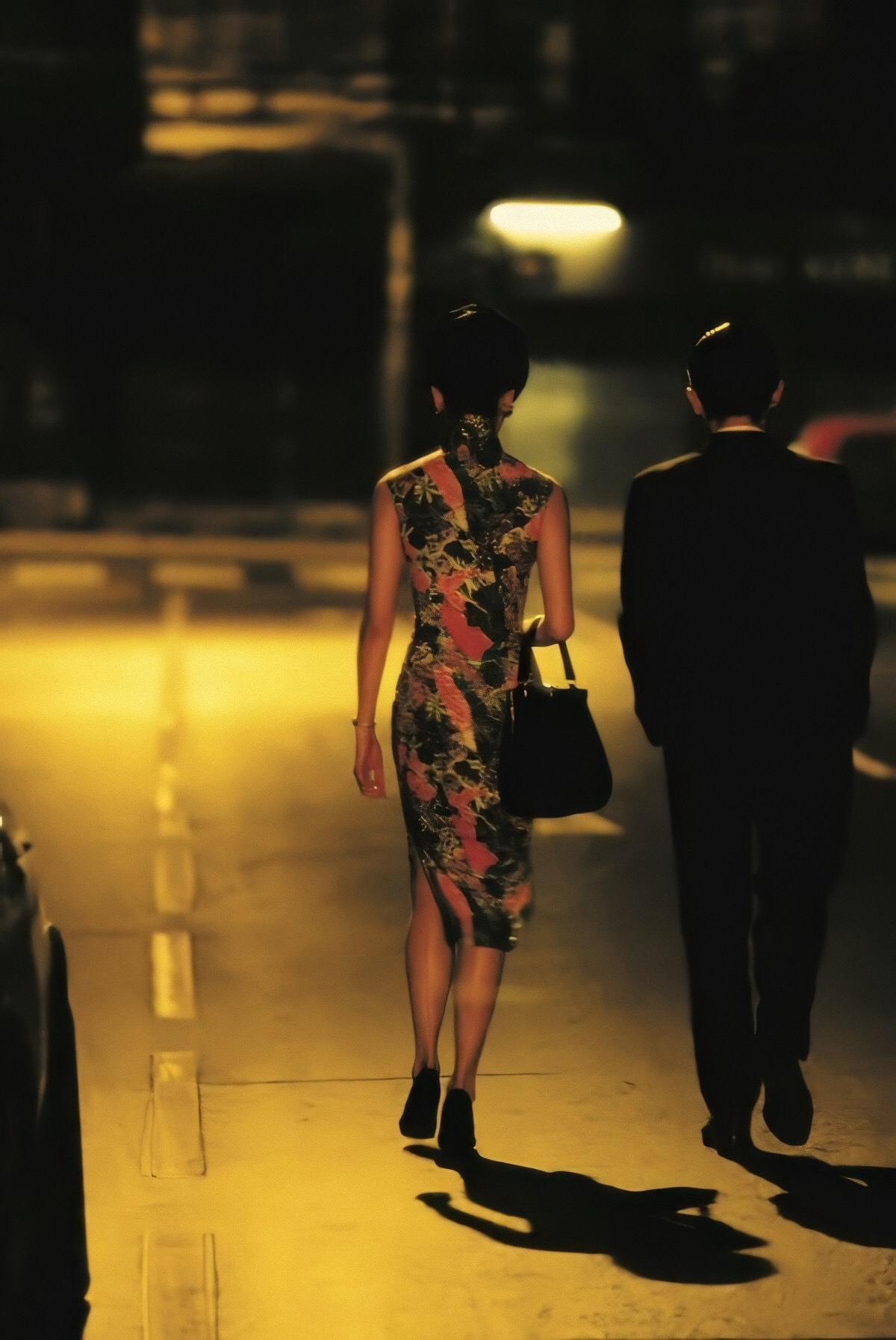
Maggie Cheung in a cheongsam, still from the film In the Mood for Love
In this column, I invite you to step into these frozen moments. We'll leave theory at the door and focus instead on the details that move us. From the cracks between light and shadow, let's retrieve expressions of life, taste, and selfhood, small, luminous truths waiting to be noticed.
Color, Memory, and the Quiet Politics of Clothing
When we speak of cinema and fashion, it's impossible not to think of those twenty-plus breathtaking cheongsams. Yet as a researcher, I'm even more fascinated by how directors cloak emotion through color psychology. In In the Mood for Love, the collision between saturated reds and dim, narrow corridors is more than visual drama, it mirrors the tension between repression and longing within the characters themselves.
This aesthetic logic continues to shape how we dress today.
Tailoring as Architecture, Softness as Counterpoint
Take the tailored blazer I chose for today's photograph. Many see office wear as a dull uniform, but from a design perspective, a suit's shoulder line is a form of architectural beauty, it constructs a visible sense of strength. The bow-tie blouse I paired it with was a deliberate choice, a way to soften those rigid lines with a hint of literary gentleness.
It's much like a great film: it needs both structural precision (the cut of the suit) and lyrical movement (the curve of a bow).
What Comes Next in Jenny's Aesthetic Diary
In the issues to come, I'll be breaking down one iconic character at a time. Perhaps it will be the bookish New York women in Woody Allen's films, draped in loose linen and quiet intellect. Perhaps it will be the symbolic power dressing of The Devil Wears Prada. What we'll discover, again and again, is this: clothing is never merely about covering the body. It is a visual narrative, a way of answering the timeless question, Who am I?
Related Outfits
- Audrey Hepburn auditioning for the film Sabrina in 1954. Outfit 5: High-neck blouse ensemble
- Audrey Hepburn auditioning for the film Sabrina in 1954. Outfit 4: black and white polka dot dress
- Audrey Hepburn auditioning for the film Sabrina in 1954. Outfit 3: white shorts paired with turtleneck
- Audrey Hepburn auditioning for the film Sabrina in 1954. Second outfit: a high-waisted trousers & blouse combination
- Audrey Hepburn auditioning for the film Sabrina in 1954. First outfit: a long-sleeve top & cropped pants combination
Related Tags
Share this article

Written by
Jenny LeungHi, I'm Jenny, a Hong Kong-based columnist dedicated to exploring the intersection of culture, art, and daily life. My writing is a reflection of my deepest passions: the storytelling found in literature, the visual magic of cinema, and the simple joy of photography and culinary arts.