
January 17, 2026
The Ultimate Guide to Down Jackets: Styles, Styling Tips, Buying Advice, and Care Essentials
When winter temperatures drop, few garments are as essential and versatile as the down jacket.

Harper Lane
Author

A Modern Winter Essential That Balances Warmth and Style
Once considered purely functional, today's down jackets are designed to look polished while delivering serious warmth. In this guide, you will learn the most important jacket styles, how to style them without bulk, what to look for when buying, and how to care for down so it lasts for years.
1. Types of Down Jackets: Finding the Right Style for Your Needs
Not all down jackets are created equal. Choosing the right style depends on climate, lifestyle, and personal aesthetic.
1.1 Short Down Jackets (Hip-Length)
Short down jackets are lightweight, practical, and easy to style. They are ideal for daily commuting, mild to moderate winter weather, and casual or sporty outfits.
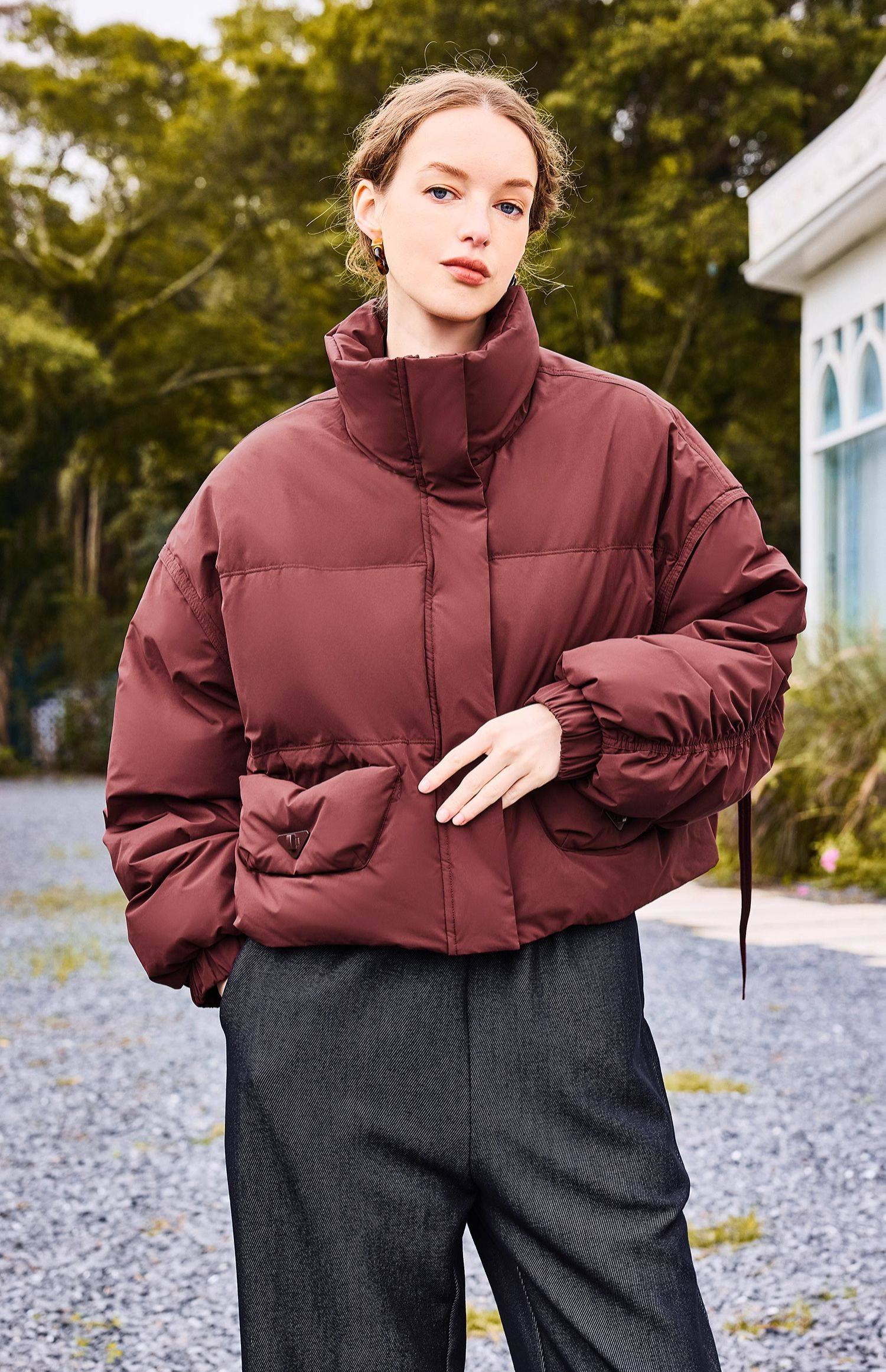
Short down jackets are easy to layer and perfect for everyday winter looks.
Style tip: Cropped or hip-length down jackets pair especially well with high-waisted jeans or straight-leg trousers, helping balance proportions.
1.2 Mid-Length Down Jackets
Ending around the mid-thigh, this style offers a perfect balance between warmth and mobility. It is ideal for urban winter wear, office-friendly outfits, and people who want warmth without bulk.
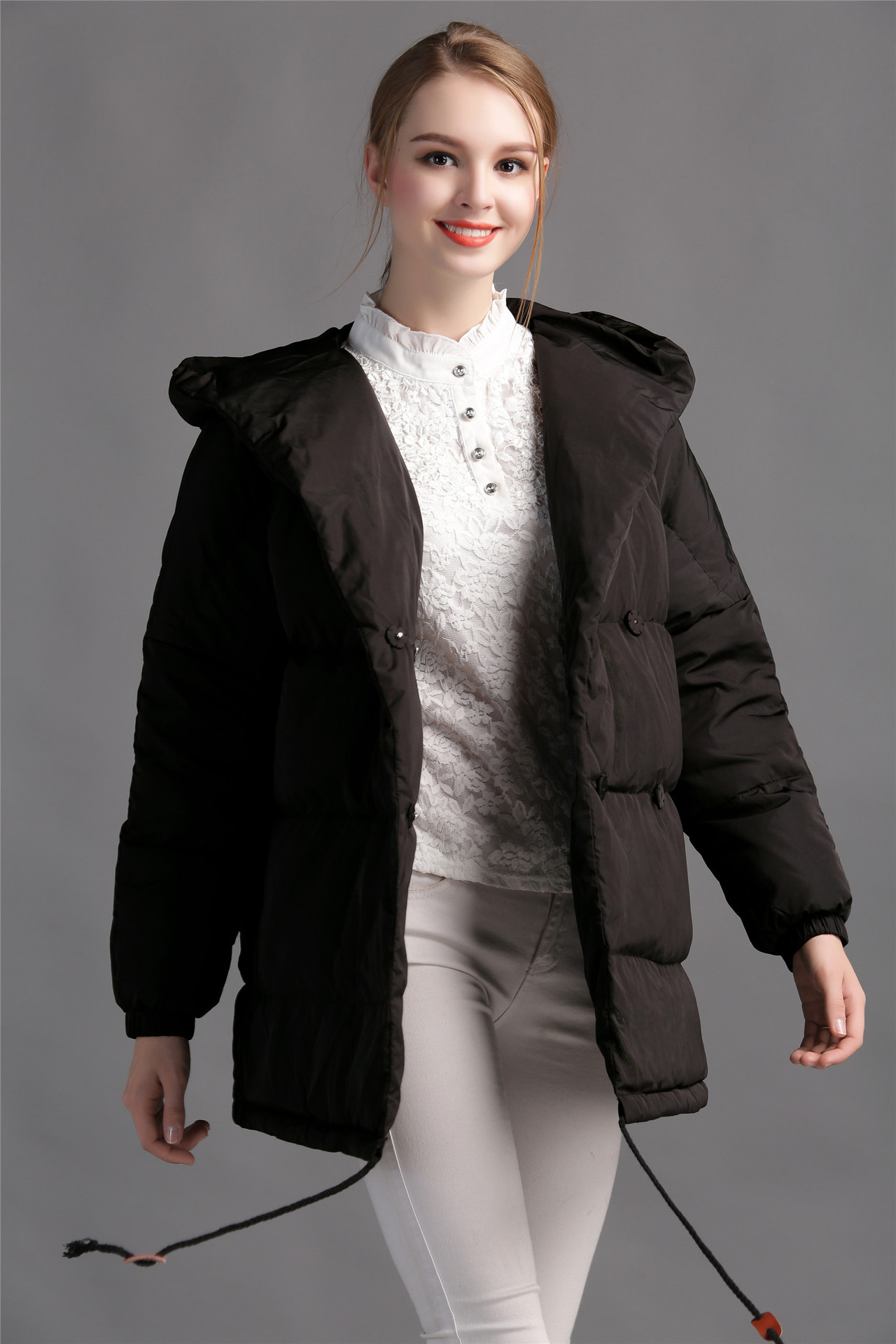
Mid-length down jackets offer warmth without restricting movement.
They are universally flattering and one of the safest investments for most wardrobes.
1.3 Long Down Coats (Knee-Length or Longer)
Long down coats provide maximum coverage and insulation, making them ideal for harsh winters. They deliver superior warmth and a polished, elegant appearance for travel or outdoor activities.
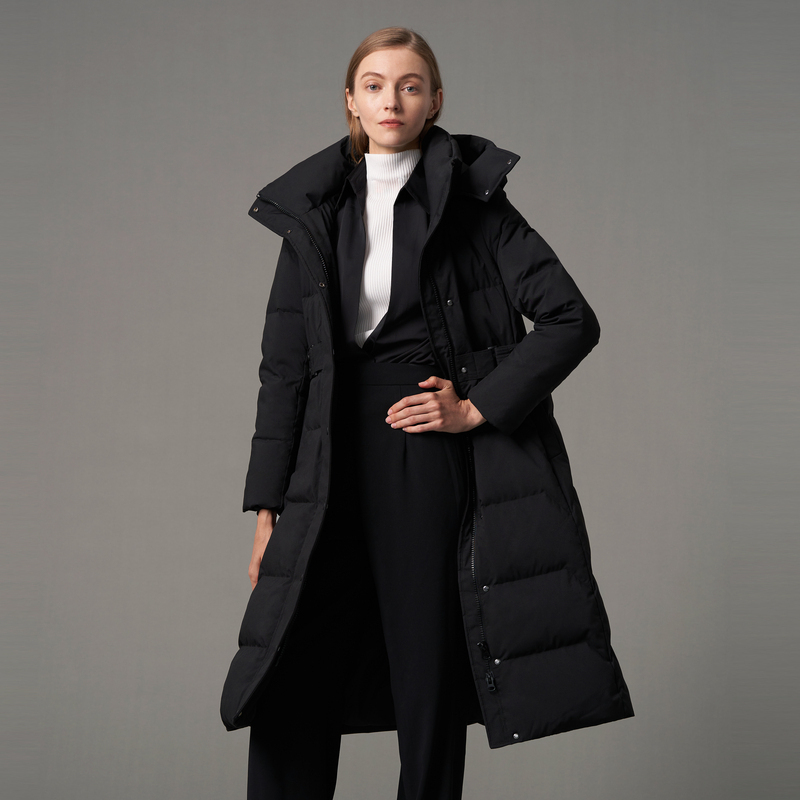
Long down coats provide full coverage for colder climates.
Belted styles can define the waist and prevent the bulky look many people fear.
1.4 Lightweight and Packable Down Jackets
Designed for layering and travel, these jackets are thin but surprisingly warm. They work best in transitional seasons, under coats or trench coats, and for minimalist wardrobes.
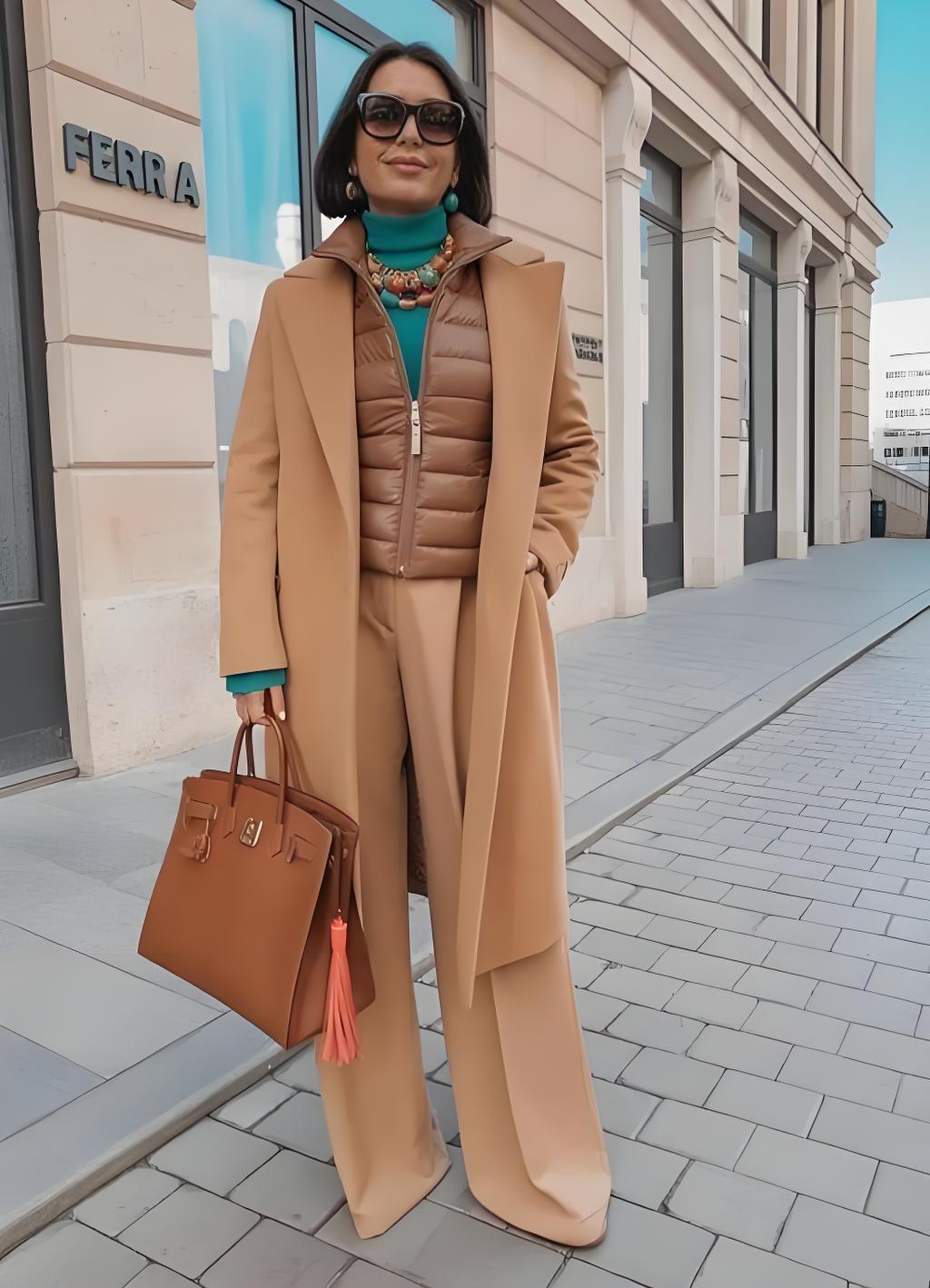
Lightweight down jackets layer easily under a trench coat.
They are not meant for extreme cold on their own, but they excel as a versatile layering piece.
2. How to Style a Down Jacket Without Looking Bulky
Styling is often where people struggle most with down jackets. The key is balance and proportion.
2.1 Casual Everyday Looks
- Short down jacket + hoodie + straight jeans + sneakers
- Mid-length down jacket + knit sweater + ankle boots
- Neutral tones like black, beige, gray, or olive make styling effortless
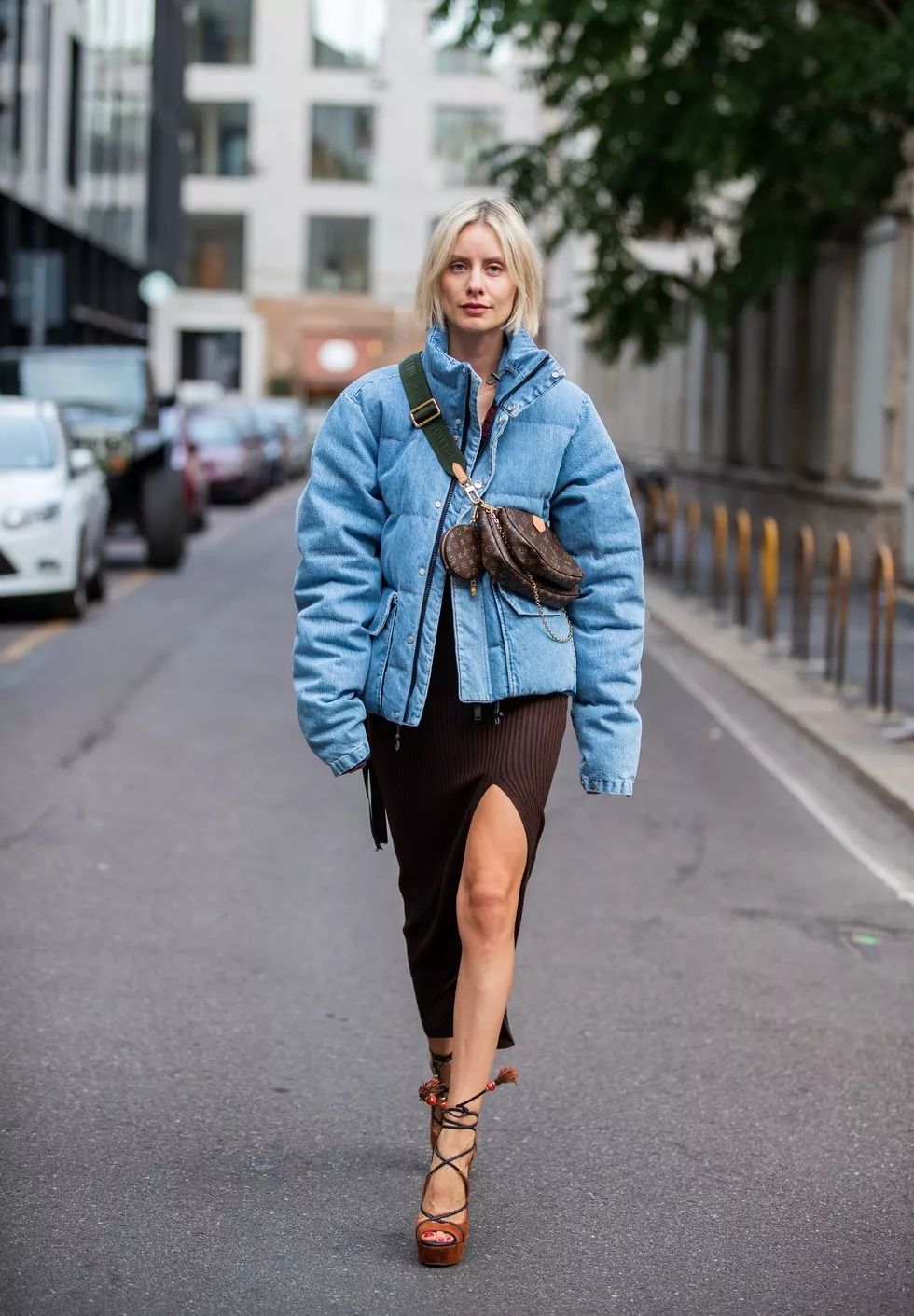
Pairing a down jacket with a knit dress keeps proportions streamlined.
2.2 Smart-Casual and Urban Chic
Yes, down jackets can look polished:
- A tailored down coat over a turtleneck and wool trousers
- A monochrome outfit with a matte-finish down jacket
- Long down coats paired with leather boots for contrast
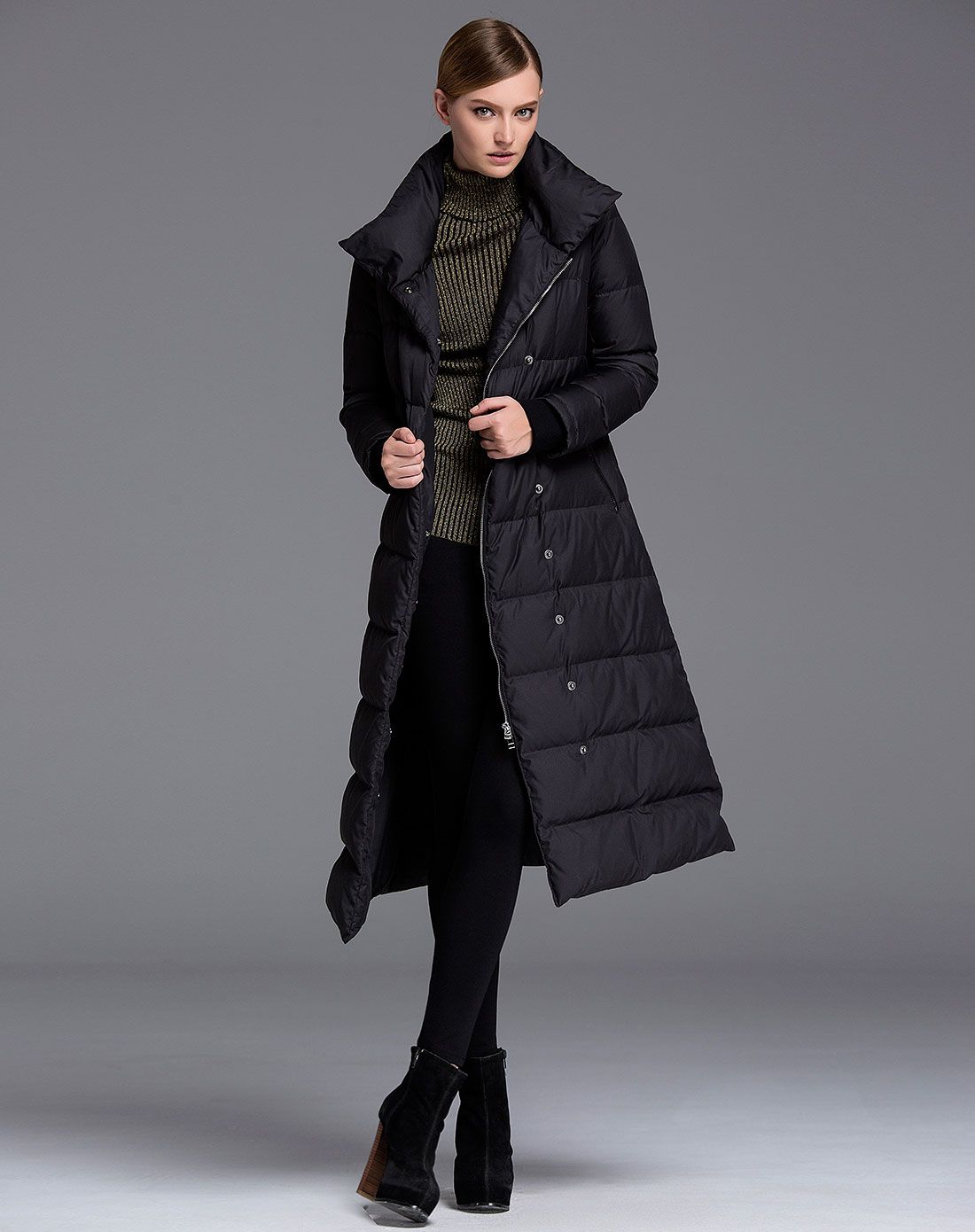
A tailored down coat over a turtleneck creates a refined city look.
Avoid overly shiny fabrics if you are aiming for a refined look.
2.3 Proportion Tips That Make a Big Difference
- Petite frames: Opt for shorter or slim-cut styles
- Curvier bodies: Look for structured quilting and belted designs
- Tall figures: Long, straight-cut down coats look especially elegant
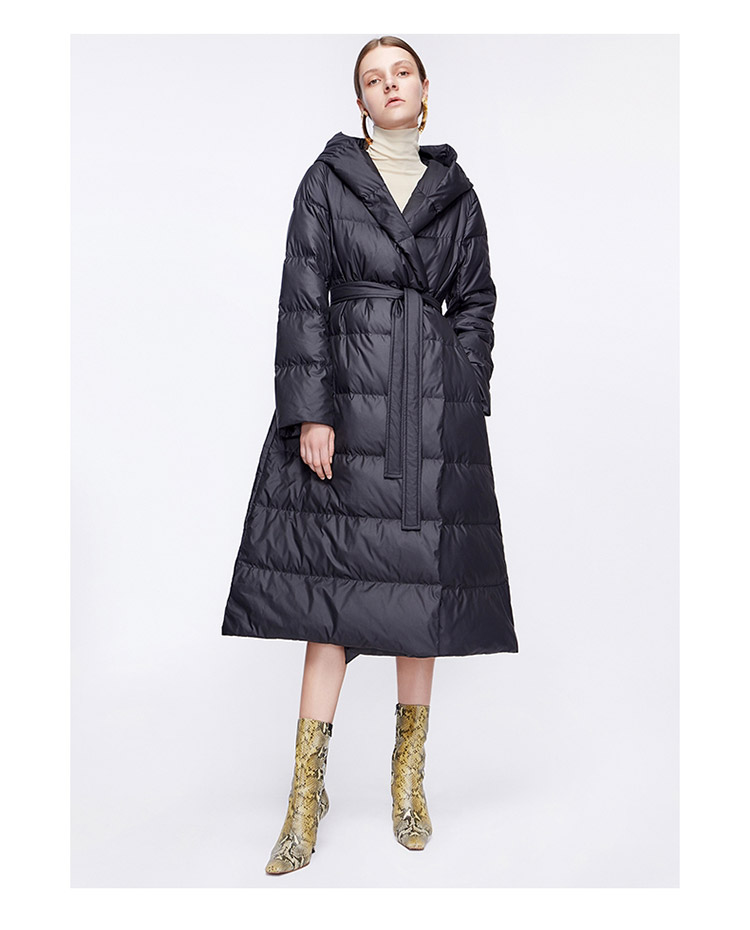
A belted long down jacket adds shape while keeping warmth.
Vertical quilting generally elongates the body, while oversized horizontal quilting creates a more casual, relaxed vibe.
3. How to Choose a High-Quality Down Jacket
A good down jacket is an investment. Here is what actually matters when shopping.
3.1 Down Fill Power (FP)
Fill power measures insulation efficiency:
- 500 to 600 FP: Suitable for mild winters
- 600 to 700 FP: Great for everyday cold weather
- 700+ FP: Excellent warmth with minimal weight
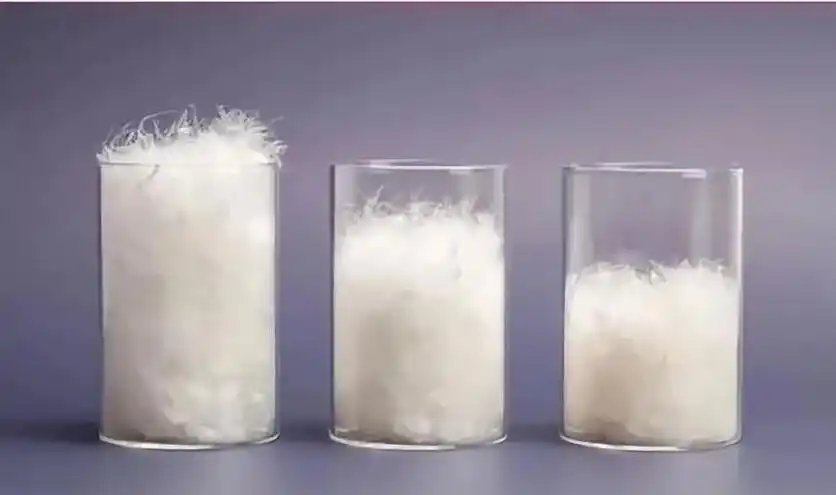
Higher FP means better warmth without added bulk.
3.2 Down-to-Feather Ratio
Look for jackets with 80/20 or 90/10 down-to-feather ratios. More down equals better insulation and softness.
3.3 Outer Fabric Matters
Choose outer materials that are windproof, water-resistant, and durable but breathable.
Matte fabrics often look more modern and age better than glossy finishes.
3.4 Fit Over Brand Names
A well-fitting jacket always looks better than an expensive one that does not suit your body.
- Check shoulder alignment
- Check sleeve length
- Make sure you can comfortably layer underneath
4. How to Care for Your Down Jacket Properly
With proper care, a quality down jacket can last 5 to 10 years or more.
4.1 Washing Tips
- Use a gentle, down-specific detergent
- Wash on a cold, delicate cycle
- Avoid fabric softener because it damages down fibers
- Always check the care label before washing
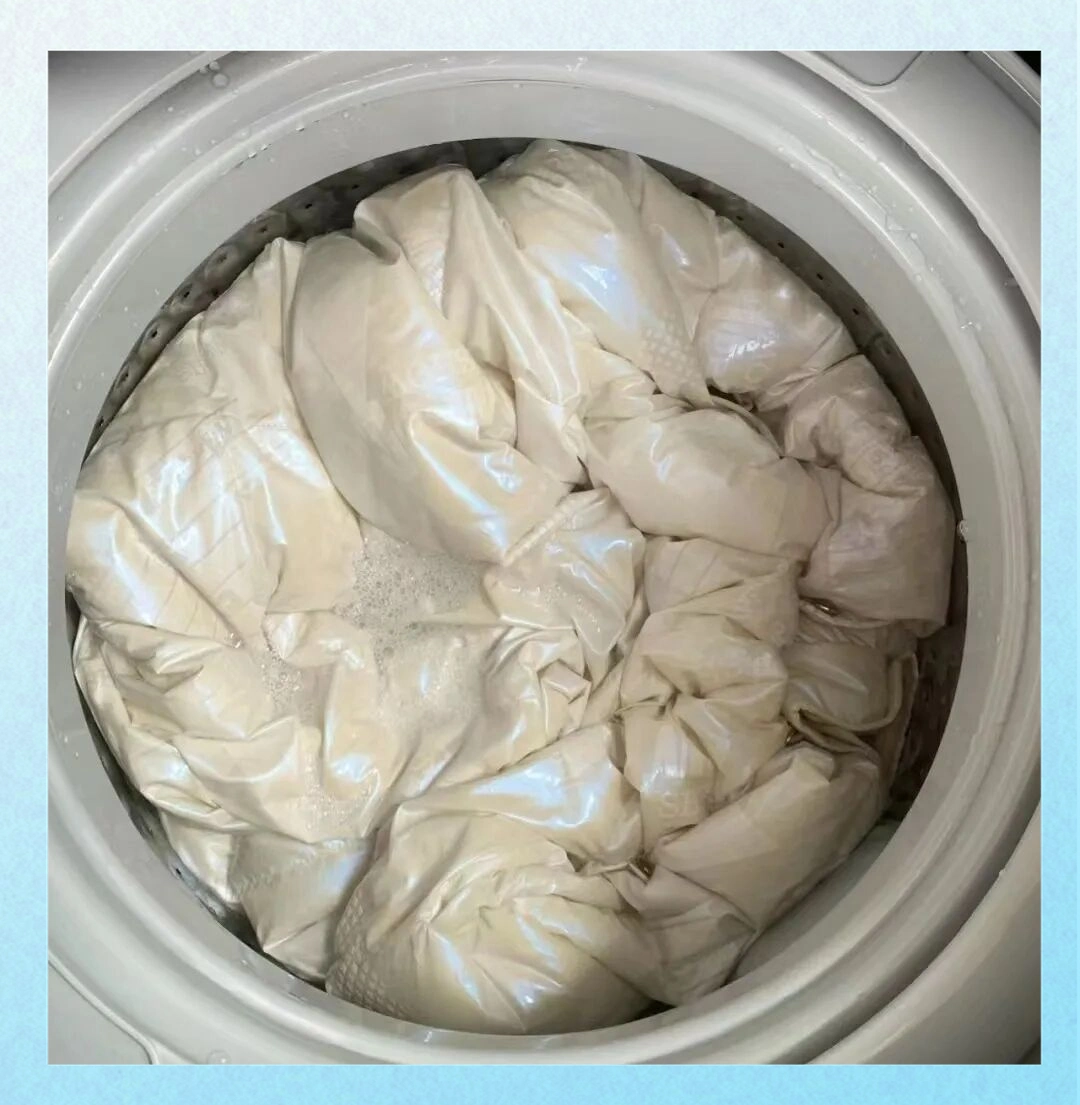
Always follow the care label and avoid harsh machine washing.
4.2 Drying Is Crucial
- Tumble dry on low heat
- Add clean tennis balls or dryer balls to restore loft
- Make sure the jacket is completely dry to prevent odor or mildew
This step is essential to maintain warmth and shape.
4.3 Storage Do's and Don'ts
- Do not compress for long-term storage
- Store in a breathable garment bag or hang it loosely
- Keep away from moisture
Proper storage preserves insulation performance.
5. Final Thoughts: A Winter Essential Done Right
A down jacket does not have to be bulky, boring, or purely practical. With the right style, fit, and care, it becomes a versatile winter essential that works for both function and fashion.
Whether you prefer a sleek city look or a cozy casual outfit, investing in a high-quality down jacket and styling it thoughtfully will keep you warm, comfortable, and effortlessly stylish all winter long.
Related Tags
Share this article
Written by
Harper LaneFashion editor who blends runway analysis with real-life styling tips for busy creatives.