
January 5, 2025
The Winter Scarf Guide: How to Tie, Choose, and Style Scarves for Warmth and Effortless Chic
A complete guide to styling winter scarves for warmth and style. Learn fabrics, knots, and pairing tips for every outfit.

Avery Brooks
Author
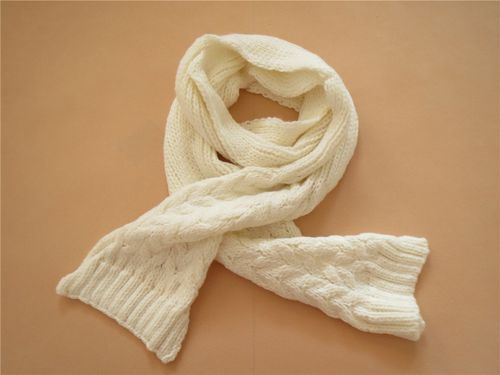
When winter arrives, few accessories are as practical—and as stylish—as a scarf. More than just a layer of warmth, a scarf has become a key fashion statement, capable of transforming an outfit, framing the face, and setting the mood of an entire look.
Across social media and fashion platforms, winter scarf discussions tend to focus on three core themes: smart tying techniques, material selection, and atmospheric styling. In particular, relaxed Korean-inspired scarf styles and high-value wool scarves continue to dominate winter fashion conversations.
In this guide, we’ll explore how to wear scarves in ways that are both functional and flattering, how to choose the right material without falling into common traps, and how to style scarves for different occasions—from everyday commutes to festive winter moments.
1. High-Popularity Scarf Tying Techniques
(Warmth + Face-Framing Benefits)
Korean-Inspired, Effortlessly Chic Styles
Korean fashion has popularized scarf styles that feel casual yet intentional—perfect for modern winter dressing.
The Single-Loop Draped Tie
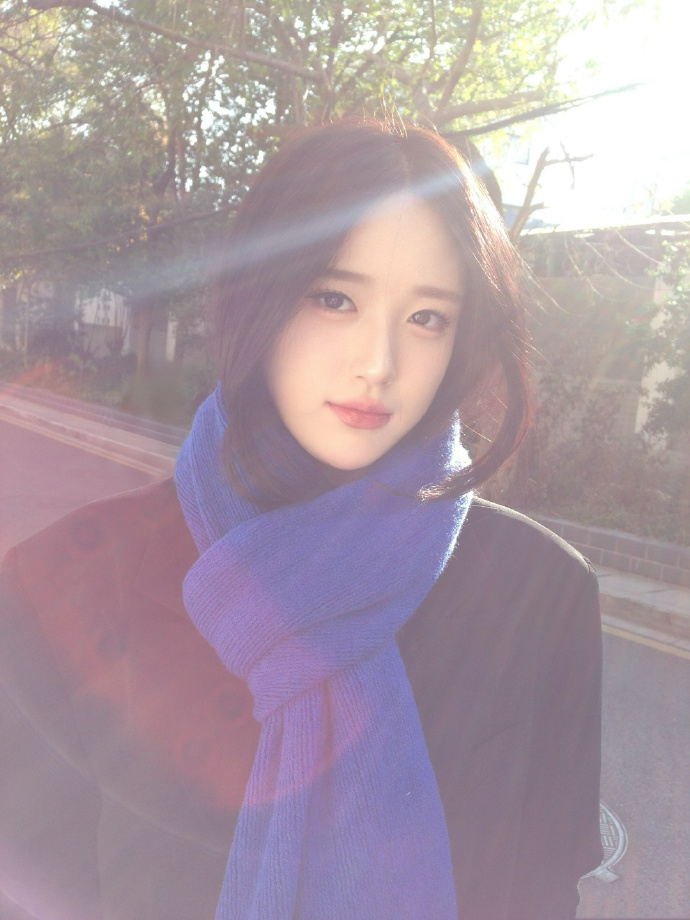
Fold the scarf in half, drape it around your neck, and pull one end through the loop. The result is a soft V-shape that elongates the neckline and looks especially elegant with wool coats and tailored outerwear.
This style is widely praised as a “commuter essential” because it’s fast, secure, and polished without feeling stiff.
Side Knot or Braided Knot
Create a small knot on one short end, then thread the longer end through and gently pull it out for shape. This technique adds a playful, youthful touch and works particularly well for round or fuller faces.
For the best visual contrast, pair a light-colored scarf with a darker coat, allowing the knot detail to stand out.
Shawl-Style Draping
Large scarves can be worn diagonally across the shoulders and secured with a belt at the waist. This style is ideal indoors—when you take off your coat but still want to look put together.
It also photographs beautifully, making it a favorite for winter street-style shots and café outings.
High-Efficiency Warmth Techniques
While style matters, winter scarves must also perform their primary function: keeping you warm.
The Heat-Lock Knot
Wrap the scarf around your neck, form a loop with the shorter end, and pull the longer end through from back to front. Tighten gently. This method locks in heat and blocks wind effectively—especially when using wool or wool-blend scarves.
It takes less than five seconds and stays in place all day.
Balaclava-Style Wrap
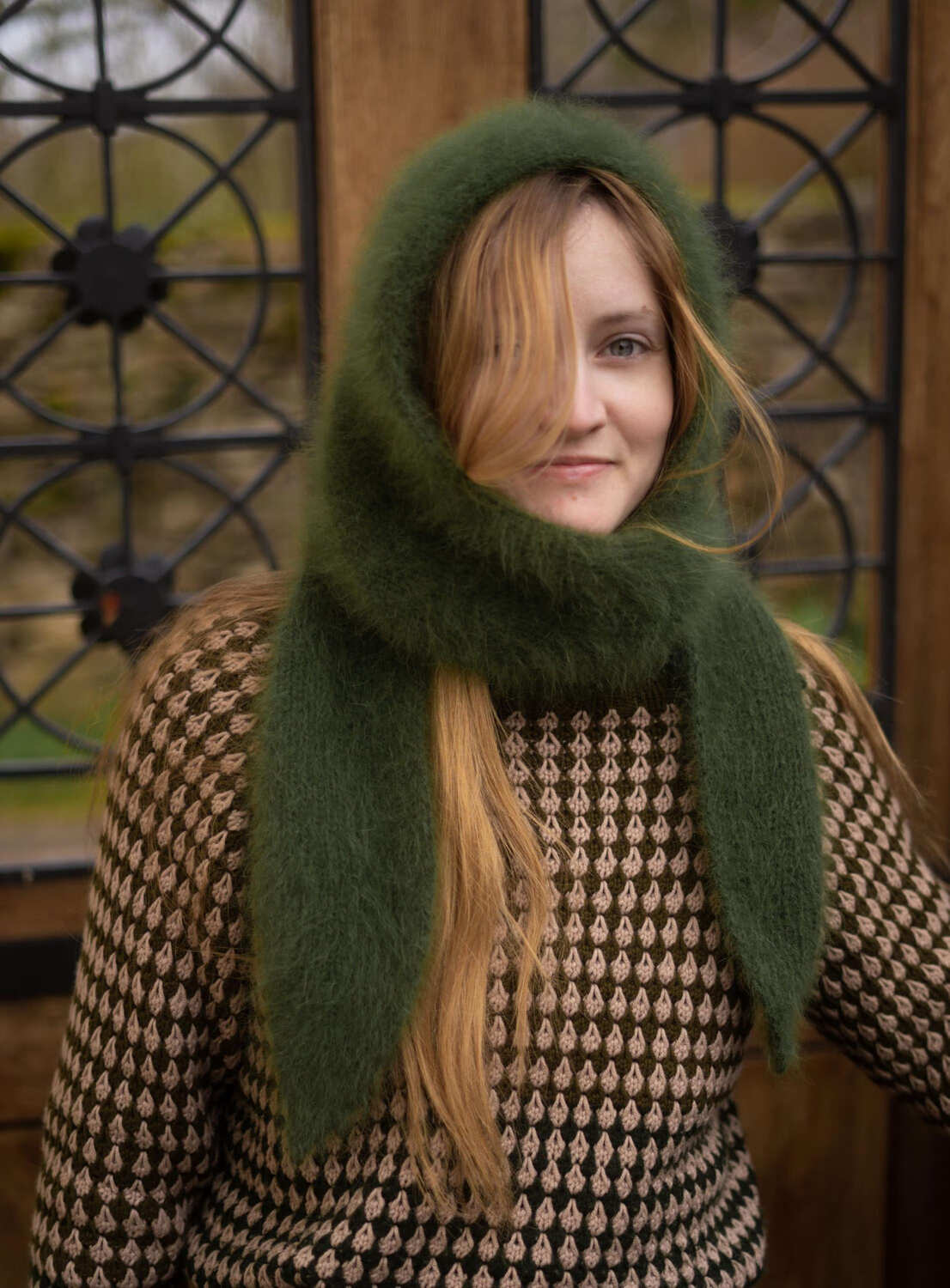
By wrapping the scarf up over the head and neck, this technique creates a hood-like effect that minimizes exposed skin and visually reduces face width. It’s a go-to option for extremely cold weather and works even with smaller scarves.
Double-Wrap Reinforced Style
Wrap the scarf twice around the neck, cross the ends, and tuck them inside the inner layers. This prevents slipping and creates a double insulation effect, making it ideal for long, thick scarves in harsh winter conditions.
2. Scarf Materials: What to Buy and What to Avoid
Choosing the right scarf material can make a significant difference in comfort, warmth, and longevity.
Best Value Materials
Wool Blends
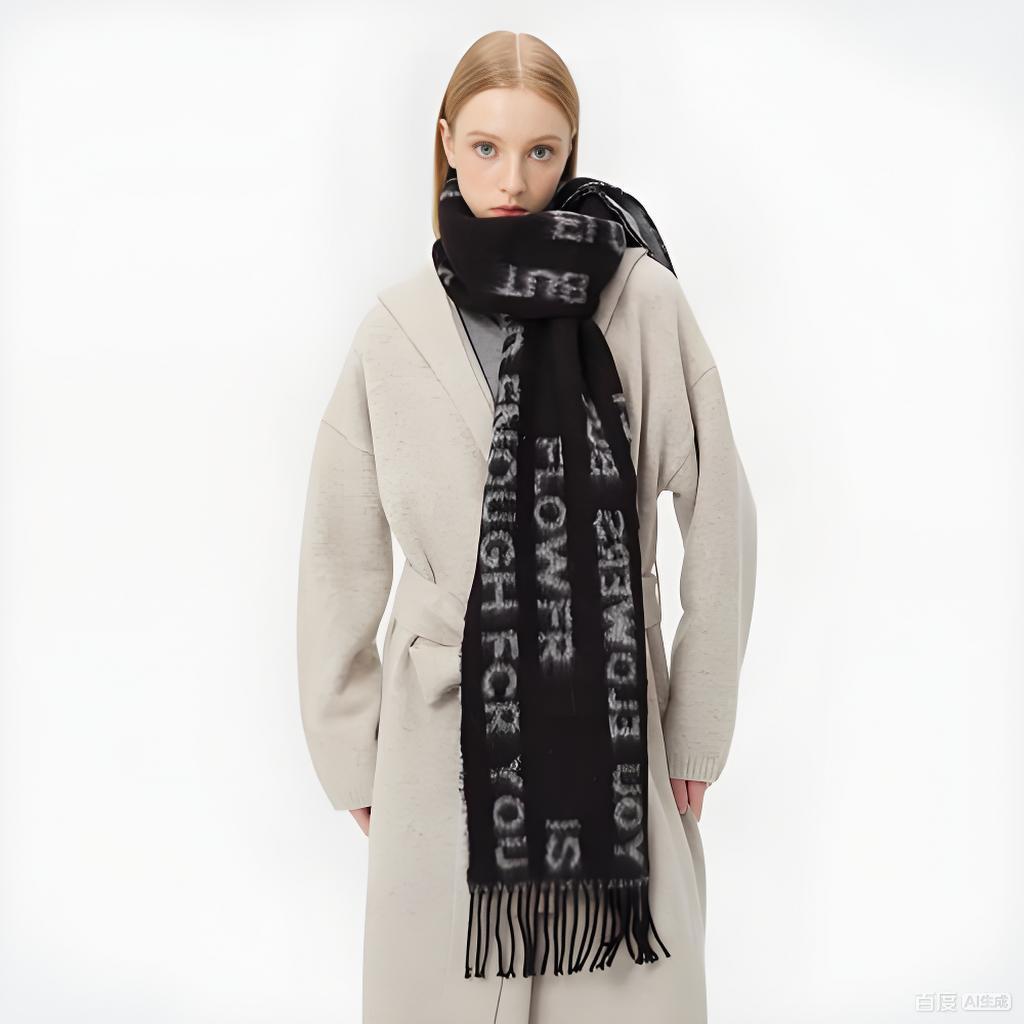
Wool-blend scarves offer excellent insulation at an affordable price point. Compared to synthetic fibers, they retain warmth better and feel more breathable.
Many well-known brands offer reliable basics in neutral colors that work with nearly any winter outfit.
Faux Cashmere
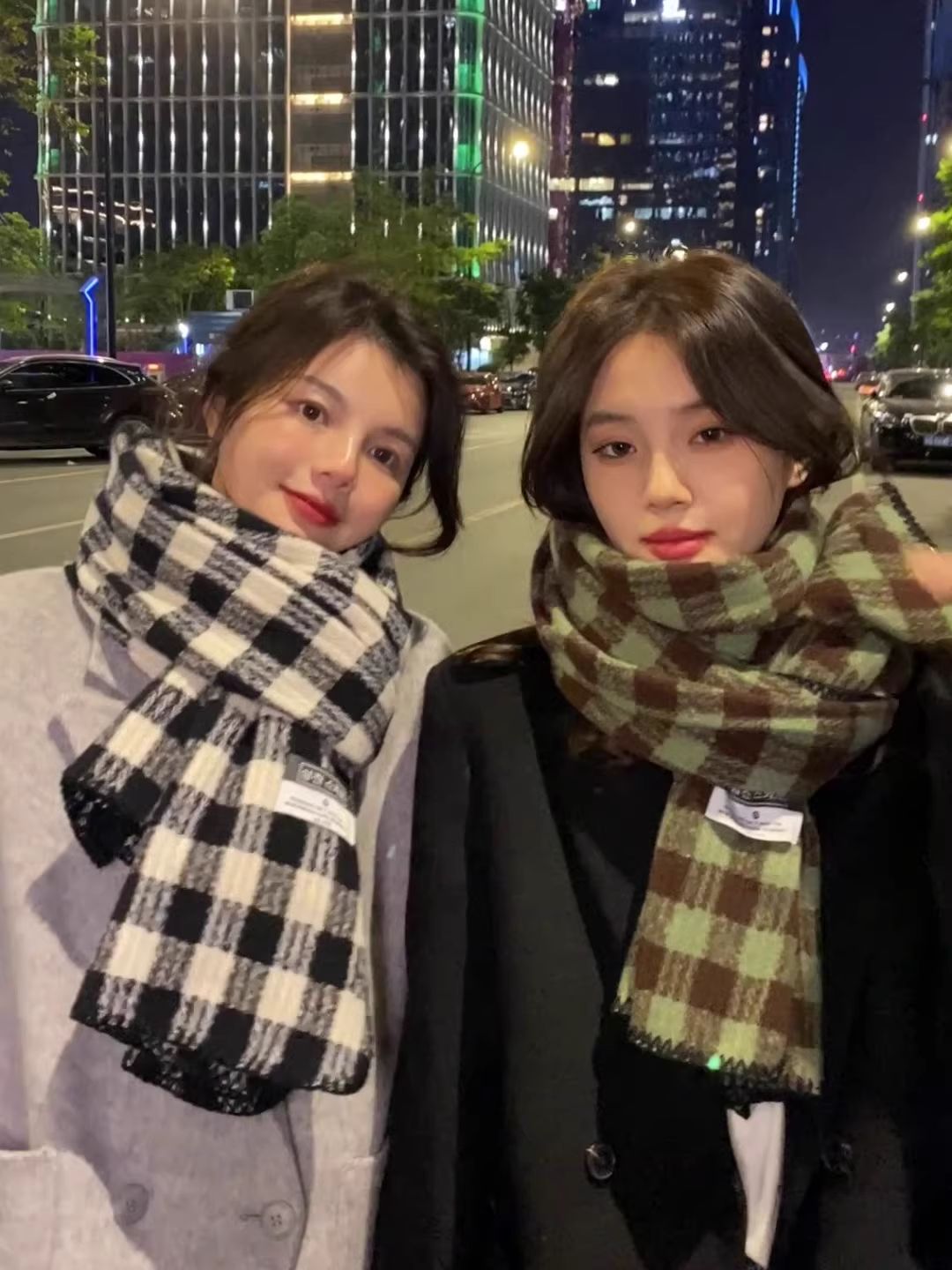
Faux cashmere scarves—often in plaid or neutral patterns—are widely available and budget-friendly. However, be cautious: avoid low-quality synthetics that generate static electricity or feel overly stiff against the skin.
Always check the fiber composition before buying.
Mink Fur Scarves
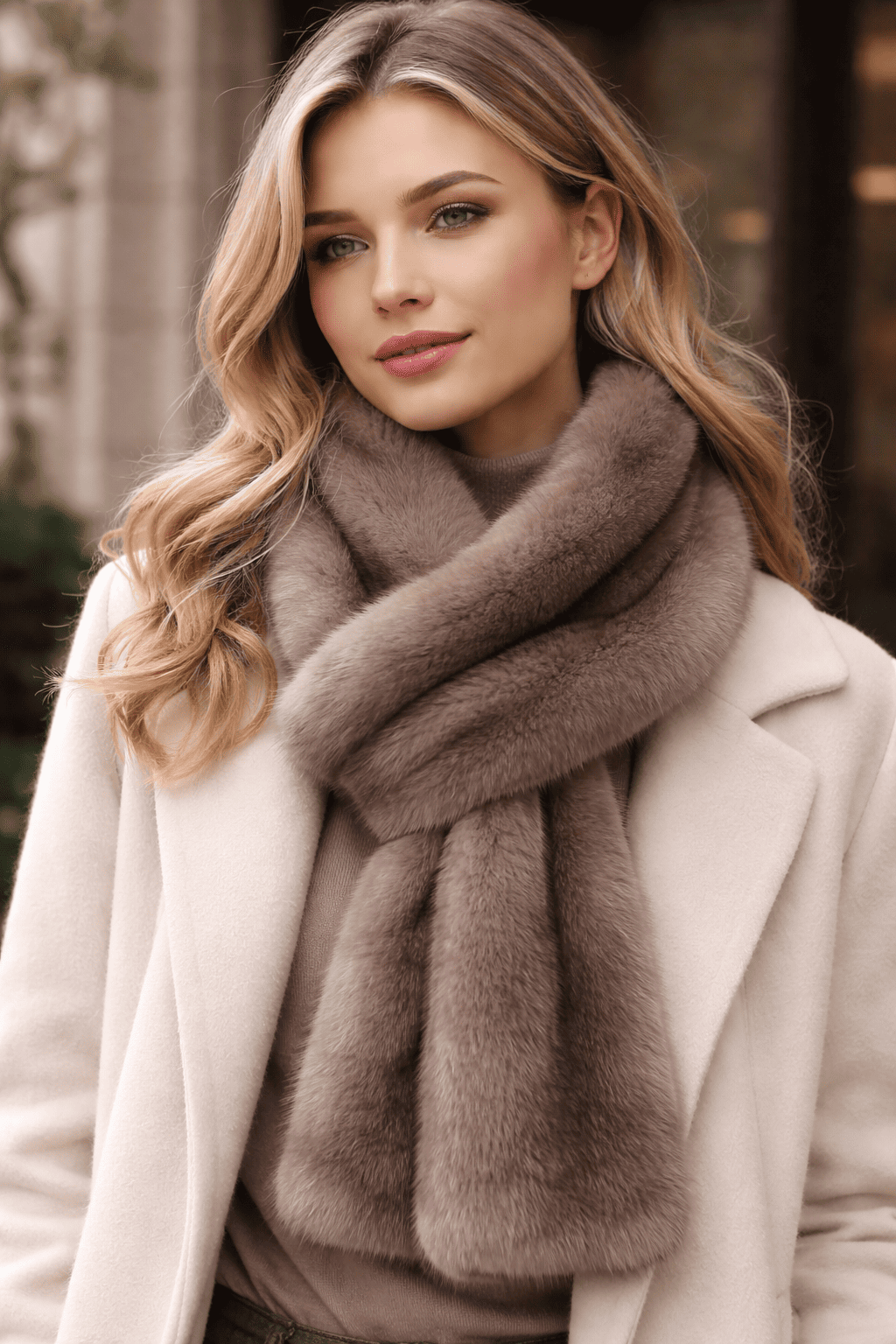
For those seeking luxury and softness, mink scarves—especially those made from female mink fur—are known for their fine, flexible fibers and exceptional comfort around the neck.
That said, they require professional dry cleaning and careful storage, making them more suitable for occasional wear.
Common Buying Concerns
Safety Considerations for Children
For children, scarf length should not exceed one-third of their height. Ends should always be tucked inside coats to avoid risks such as getting caught in elevators or doors.
Authenticity and Counterfeits
Luxury scarves are frequently counterfeited. Logos may appear misaligned, patterns inconsistent, or materials inferior. Be cautious of “same-style” scarves sold at unusually low prices—they often look different in real life than in photos.
When investing in designer scarves, buy from trusted retailers and inspect details carefully.
3. Styling Trends and Scenario-Based Pairings
Color Pairing Formulas
Clean Contrast
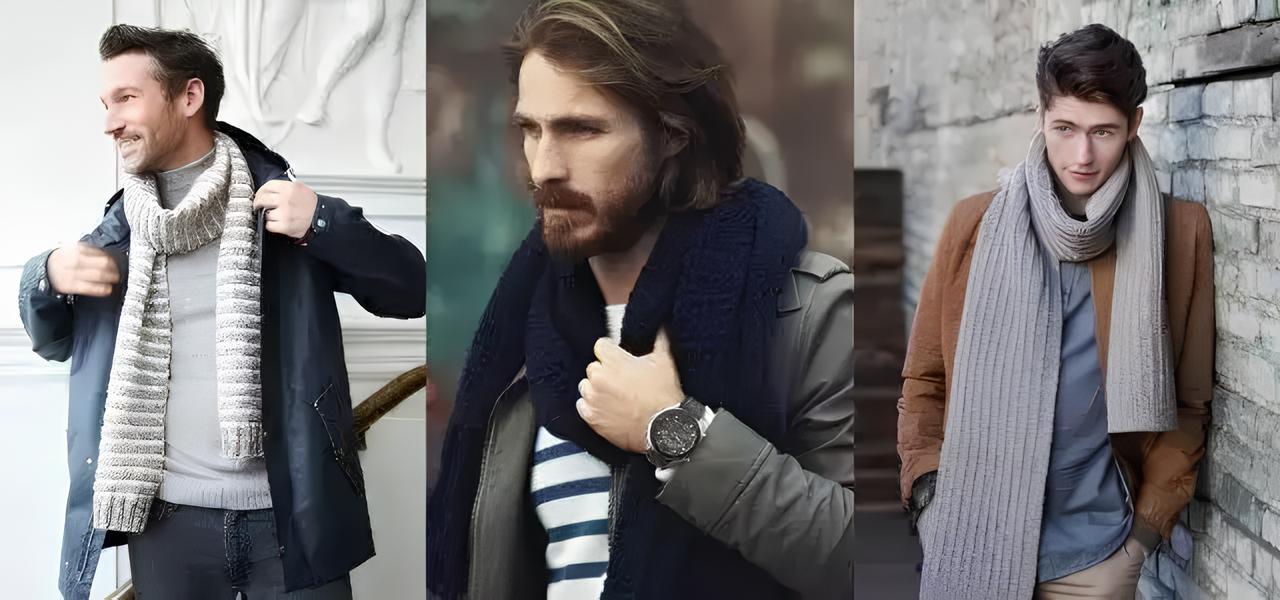
A black coat paired with a white scarf, or a beige coat with a gray scarf, creates a crisp, minimalist winter look that feels modern and refined.
These combinations work well for office wear and urban settings.
Festive Accents

A red scarf layered over a dark coat instantly adds warmth and holiday spirit, making it perfect for Christmas, New Year’s gatherings, or winter travel photos.
Even a small pop of color can dramatically change the mood of an outfit.
One Scarf, Multiple Uses
Turning a Scarf into a Top
Fold a large scarf, cinch it at the waist with a belt, and style it like a cropped jacket or overlay. This adds depth and creativity to winter layering and works well in transitional indoor settings.
Headscarf or Hair Accessory
Smaller square scarves can be tied around a low ponytail or worn as a headscarf, instantly creating a French-inspired vintage aesthetic. This technique is especially popular for casual outings and weekend looks.
Final Thoughts
A winter scarf is far more than an accessory—it’s a versatile styling tool that blends function, comfort, and self-expression. By mastering a few tying techniques, understanding materials, and applying thoughtful color and styling choices, you can elevate even the simplest winter outfit.
Whether you prefer cozy minimalism or bold seasonal accents, the right scarf can define your winter style—warmly and effortlessly.
To learn more about winter scarf styling, you can refer to:
Winter AccessoriesScarvesHeadscarfShare this article
Written by
Avery BrooksSustainable fashion writer spotlighting mindful shopping, fabrics, and wardrobe longevity.